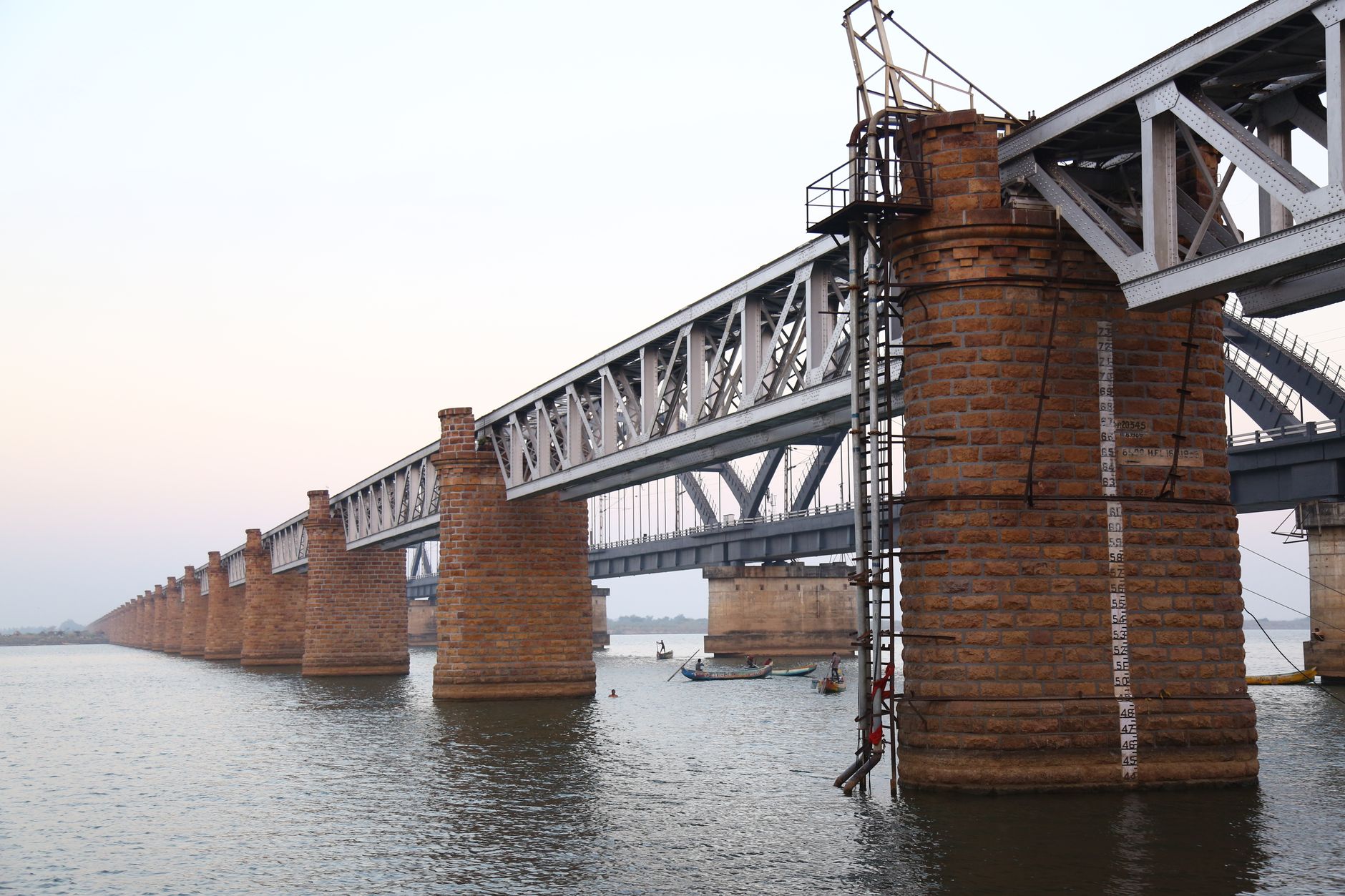
Godavari Cauvery link is a significant topic as Vijay and Chandrababu Naidu discuss the potential for additional water supply to Chennai. This meeting highlights the importance of interlinking rivers for regional water security.
Importance of the Godavari Cauvery link
The Godavari Cauvery link has emerged as a pivotal topic in discussions surrounding water management in southern India. This ambitious project aims to interlink two of the country’s major river systems, which could provide substantial benefits to the regions that depend on these water resources. The importance of this initiative is underscored by the growing demand for water in urban areas, particularly in Chennai, where rapid population growth and industrial expansion have strained existing water supplies.
During a recent meeting, prominent leaders, including Vijay and Chandrababu Naidu, emphasized the necessity of advancing the Godavari Cauvery link project. Key points discussed included:
- Enhanced Water Supply: The link is expected to facilitate a more reliable water supply, mitigating the impact of droughts and ensuring that urban centers have adequate resources.
- Economic Growth: Improved water availability can stimulate agricultural productivity, which in turn supports local economies and increases food security.
- Environmental Considerations: Addressing ecological impacts is crucial, as the project must balance human needs with the preservation of riverine ecosystems.
The potential of the Godavari Cauvery link to transform water management strategies in the region cannot be overstated. As discussions continue, stakeholders are urged to consider innovative solutions that will benefit all communities involved.
Key points from the discussion
During the recent discussion led by Vijay and Chandrababu Naidu regarding the Godavari Cauvery link, several key points emerged that are crucial for enhancing water supply and management in the region.
- Water Scarcity Solutions: The speakers highlighted the urgent need to address water scarcity issues in Tamil Nadu, particularly in Chennai, where demand is consistently outpacing supply.
- Interlinking Benefits: The proposed Godavari Cauvery link is viewed as a significant step towards interlinking major rivers, which could facilitate effective water sharing and distribution.
- Environmental Concerns: There were discussions on the environmental implications of such projects, emphasizing the need for sustainable practices to preserve local ecosystems.
- Infrastructure Development: The necessity for robust infrastructure to support the Godavari Cauvery link was stressed, including the construction of canals and reservoirs to enhance water flow.
- Stakeholder Involvement: Engaging local communities and stakeholders in the planning process was deemed essential for the project’s success, ensuring that their needs and concerns are addressed.
- Policy Framework: A comprehensive policy framework to govern the usage and management of shared water resources was recommended to prevent conflicts and promote cooperation among states.
Overall, the discussion underscored the collaborative efforts required to realize the potential benefits of the Godavari Cauvery link for the region’s water supply challenges.
Impact on Chennai’s water supply
The proposed Godavari Cauvery link is set to have a significant impact on Chennai’s water supply, addressing the long-standing issue of water scarcity in the region. As the city grapples with rapid urbanization and increasing demand for water, this initiative aims to provide a reliable source of water to meet the needs of its growing population.
During the recent discussion, leaders including Vijay and Chandrababu Naidu highlighted the potential benefits of the Godavari Cauvery link for Chennai. Key points raised included:
- Increased Water Availability: The link is expected to enhance the overall water supply, ensuring that Chennai’s reservoirs are adequately replenished.
- Improved Infrastructure: Development of the necessary infrastructure will facilitate efficient water distribution, reducing wastage and enhancing accessibility.
- Support for Agriculture: The additional water supply can also benefit surrounding agricultural areas, contributing to food security in the region.
- Long-term Sustainability: By creating a reliable water source, the Godavari Cauvery link aims to establish a more sustainable framework for water management in Chennai.
With the city facing challenges related to drought and fluctuating rainfall patterns, the successful implementation of the Godavari Cauvery link could transform Chennai’s water landscape. Stakeholders are optimistic that this initiative will lead to better management of water resources, ultimately benefiting both residents and local ecosystems.
Political implications of the meeting
The recent meeting between political leaders Vijay and Chandrababu Naidu regarding the Godavari Cauvery link has stirred discussions about the potential political implications surrounding water supply management in the region. This interlinking project has been a focal point not only for its anticipated benefits but also for the political maneuvering it inspires.
Supporters argue that the Godavari Cauvery link could serve as a unifying force among states that share water resources, promoting collaboration and reducing disputes. However, critics caution that such initiatives may deepen existing political divides, especially among regions that perceive themselves as beneficiaries or disadvantaged parties in the water-sharing arrangement.
Key political implications include:
- State Rivalries: The allocation of water from the Godavari to the Cauvery basin could exacerbate tensions between states, particularly if perceptions of fairness are not addressed.
- Public Sentiment: With water scarcity being a pressing issue, public opinion may sway political support based on leaders’ stances on the project.
- Election Impact: Upcoming elections could see candidates leveraging the Godavari Cauvery link issue to galvanize voter support, framing it as a critical development for regional growth.
As discussions continue, the leaders’ strategies will likely reflect a careful balancing act between addressing immediate water needs and navigating the complex political landscape surrounding the Godavari Cauvery link.
Future of interlinking rivers in India
The future of interlinking rivers in India, particularly the Godavari Cauvery link, has become a focal point for sustainable water management strategies. As climate change intensifies and water scarcity becomes a pressing issue, the need for integrated river systems is increasingly recognized.
Experts believe that the interlinking of rivers can provide a robust solution to combat droughts and floods while ensuring equitable water distribution across regions. The Godavari Cauvery link is seen as a vital step in this direction, aiming to enhance water supply in areas facing severe shortages.
Potential benefits of such initiatives include:
- Improved Water Security: By linking major rivers, regions can share water resources, significantly reducing the risk of drought.
- Agricultural Benefits: Farmers in water-scarce areas could receive reliable irrigation, boosting crop yields and food security.
- Economic Growth: Enhanced water supply can lead to improved industrial activities and job creation in various sectors.
- Environmental Management: Proper management of interlinked rivers can help restore ecosystems affected by erratic water flows.
However, challenges remain, including ecological concerns and the need for comprehensive policy frameworks to guide these projects. As discussions continue, the Godavari Cauvery link stands as a testament to India’s commitment to innovative water management solutions for a sustainable future.
Photo by Siri Surender on Pexels
Read the original
Related reading
NMDC Steel appointment: Is it the Right Move for Growth? · Are GLP-1s the Best Proven Protection Against Stroke? · Goddess Durga sculpture: Smart way to recycle 13,000 pens


One thought on “Godavari Cauvery link: A Smart Discussion on Water Supply”