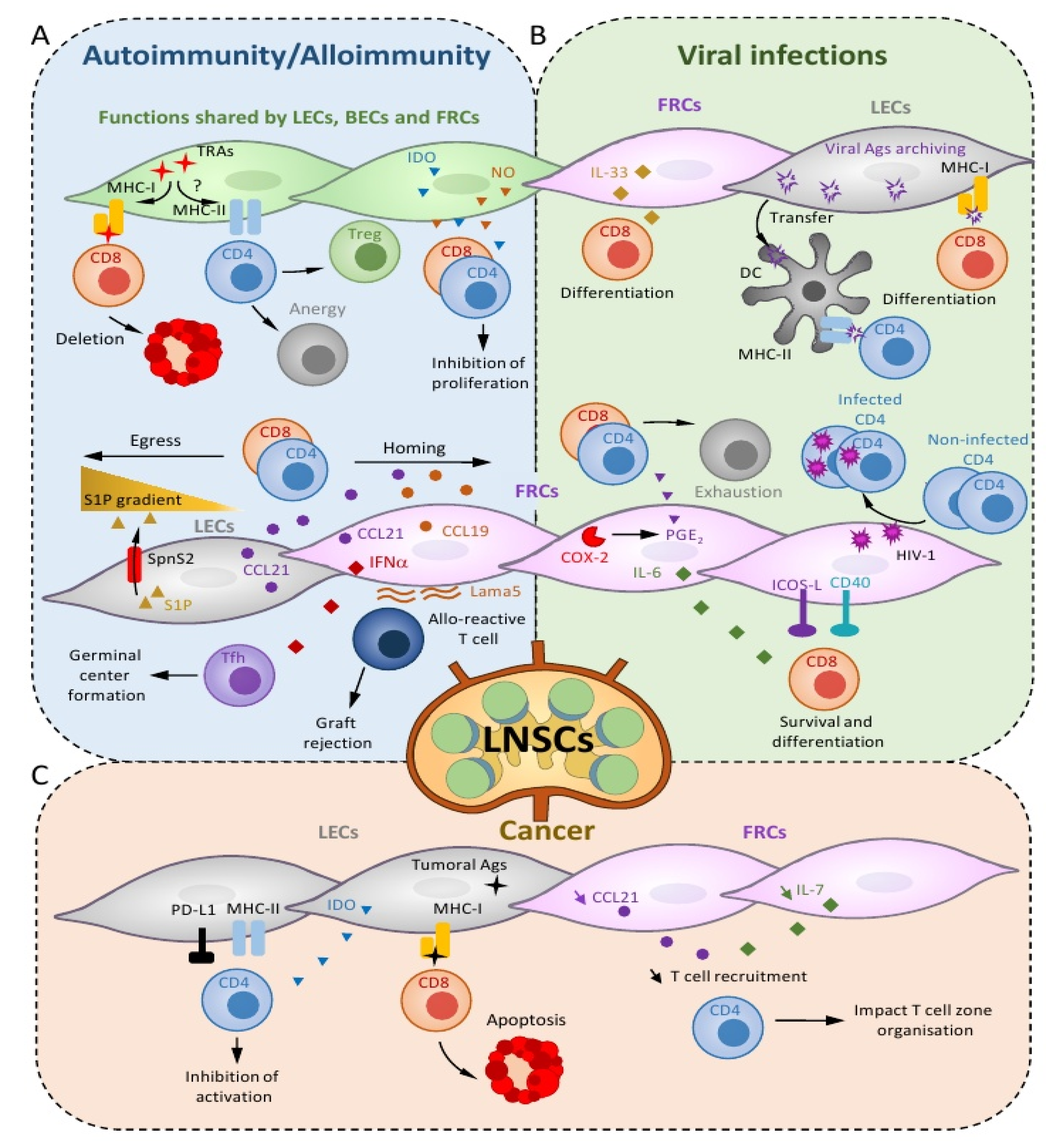
immune cell exhaustion is a critical factor in the progression of colorectal cancer. Recent studies highlight the role of protein DUSP4 in preventing this exhaustion, offering new hope for patients.
Understanding Immune Cell Exhaustion
Immune cell exhaustion is a critical phenomenon observed in cancer, particularly in the context of colorectal cancer. It refers to a state where immune cells, such as T cells, lose their ability to respond effectively to tumor cells. This state is characterized by a dysfunctional immune response that allows cancer cells to evade detection and destruction.
Research has shown that various factors contribute to immune cell exhaustion, including:
- Persistent Antigen Exposure: Continuous exposure to tumor antigens can lead to a gradual decline in T cell functionality.
- Inhibitory Signals: Tumors often exploit inhibitory pathways that further dampen immune responses.
- Metabolic Changes: Altered metabolism in the tumor microenvironment can affect immune cell performance.
Recent studies highlight the role of specific proteins, such as DUSP4, which have been found to prevent immune cell exhaustion. By inhibiting mechanisms that lead to T cell dysfunction, DUSP4 may enhance the immune system’s ability to combat cancer. This finding opens new avenues for therapeutic strategies aimed at revitalizing exhausted immune cells, thereby improving patient outcomes.
Understanding immune cell exhaustion is crucial in developing effective cancer therapies. As researchers continue to explore the underlying mechanisms, it may pave the way for innovative treatments that reinvigorate the immune response against tumors.
The Role of DUSP4 in Cancer
The role of DUSP4, a protein that regulates cellular signaling pathways, has garnered attention for its potential in combating immune cell exhaustion, particularly in colorectal cancer. Recent studies indicate that DUSP4 plays a crucial role in maintaining the functionality of T cells, which are vital for an effective immune response against tumors.
When immune cells become exhausted, their ability to attack cancer cells diminishes significantly. This phenomenon, known as immune cell exhaustion, poses a significant challenge in cancer treatment. DUSP4 appears to counteract this process by modulating the activity of specific signaling pathways that are involved in T cell activation and differentiation.
Research findings suggest that:
- DUSP4 enhances T cell responses: By preventing the phosphorylation of certain proteins, DUSP4 helps to sustain T cell activation.
- DUSP4 reduces markers of exhaustion: In colorectal cancer models, DUSP4 expression has been linked to lower levels of exhaustion markers on T cells.
- DUSP4 as a therapeutic target: Targeting DUSP4 could enhance the effectiveness of immunotherapies by revitalizing exhausted immune cells.
Understanding the mechanisms by which DUSP4 influences immune cell function provides valuable insights into potential therapeutic strategies for overcoming immune cell exhaustion in cancer patients.
Latest Research Findings on Colorectal Cancer
Recent studies have shed light on the intricate relationship between immune cell exhaustion and colorectal cancer, revealing significant advancements in understanding how to combat this challenge. Researchers have identified that the protein DUSP4 plays a crucial role in preventing immune cell exhaustion, which is often a barrier to effective cancer treatment.
In one study, scientists observed that colorectal tumors can manipulate immune cells, pushing them towards a state of exhaustion. This phenomenon limits the immune system’s ability to fight cancer effectively. The presence of DUSP4 was found to counteract this process, restoring the immune cells’ functionality and enhancing their ability to attack cancer cells.
The implications of these findings could be transformative for colorectal cancer therapies. By targeting the mechanisms of immune cell exhaustion, particularly through enhancing DUSP4 activity, researchers aim to improve patient outcomes significantly. This approach not only has the potential to revive exhausted immune responses but also to provide a more robust strategy in immunotherapy.
- Key insights include:
- Immune cell exhaustion is a critical barrier in cancer treatment.
- DUSP4 is essential for maintaining immune cell functionality.
- Targeting immune cell exhaustion may lead to better therapeutic strategies.
As research continues, the focus remains on how to leverage these findings to combat colorectal cancer effectively.
Implications for Future Cancer Therapies
The implications of immune cell exhaustion on future cancer therapies are profound and multifaceted. As researchers continue to unravel the complexities surrounding this phenomenon, particularly in the context of colorectal cancer, the development of novel therapeutic strategies becomes increasingly critical.
One promising avenue is the enhancement of immune cell function through targeted interventions. DUSP4, a protein identified as playing a pivotal role in preventing immune cell exhaustion, presents a potential target for therapy. By modulating the activity of DUSP4, it may be possible to reinvigorate exhausted immune cells, thereby improving their ability to combat tumor cells.
Additionally, combination therapies that integrate DUSP4 modulation with existing immunotherapies could enhance overall treatment efficacy. Future clinical trials will be essential in determining the optimal strategies for utilizing DUSP4 as a therapeutic target while addressing the challenges posed by immune cell exhaustion.
Moreover, understanding the mechanisms behind immune cell exhaustion can lead to the identification of biomarkers that predict patient responses to therapies. This personalized approach may significantly improve treatment outcomes by allowing for tailored interventions based on individual immune profiles.
In summary, addressing immune cell exhaustion is not merely an academic exercise; it is vital for advancing cancer therapies and improving patient prognoses in the ongoing battle against cancer.
By Harlé, G.; Kowalski, C.; Garnier, L.; Hugues, S. via Openverse
References
Related stories
Israel election results: What’s the best path forward? · Google buyout offers: Best proven options for employees · Vikram Misri visit to Nepal: A Quick Diplomatic Engagement