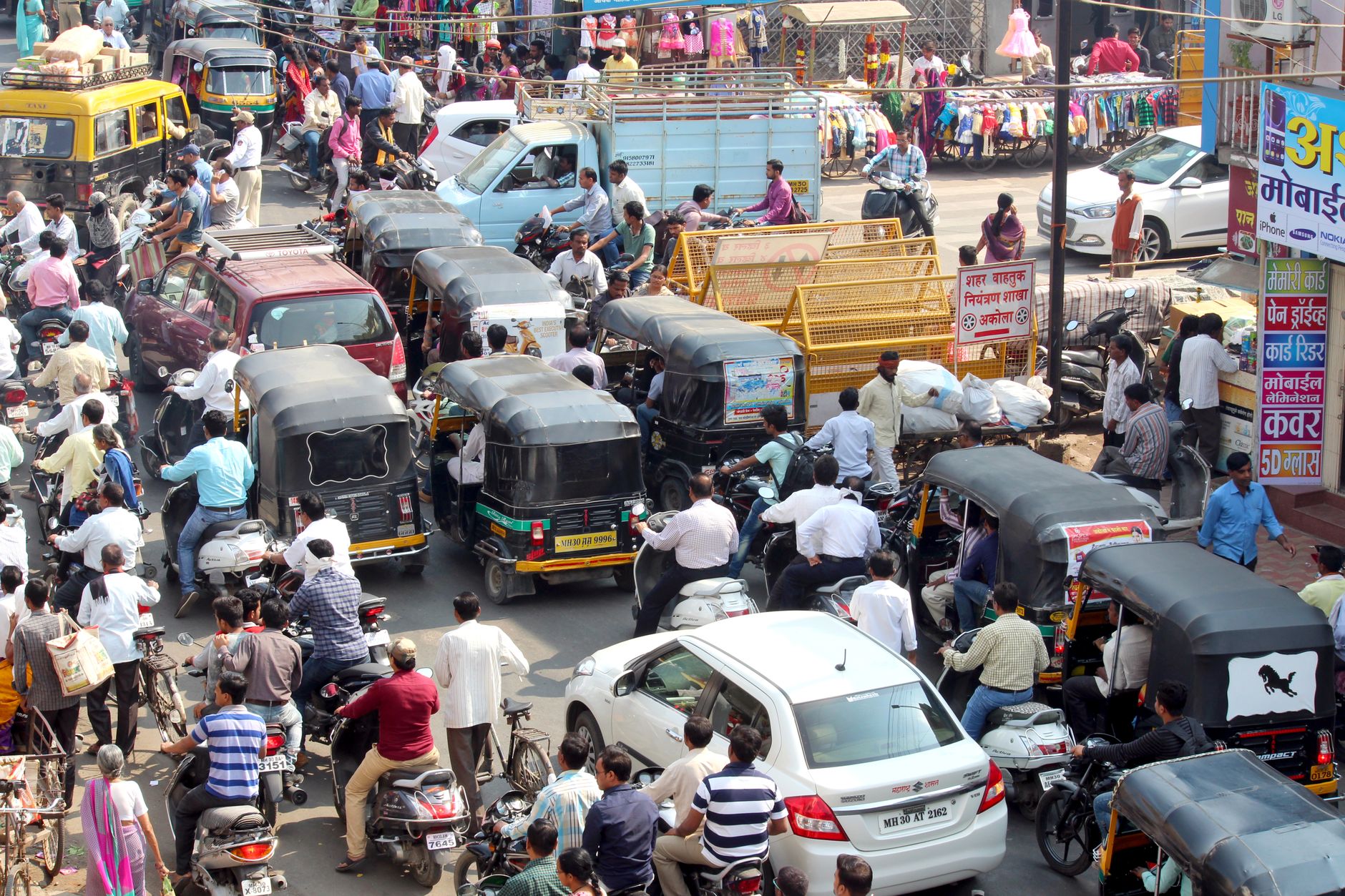
Traffic jam Ranthambore has left many safari-goers frustrated as 30 jeeps were caught waiting for a sleepy tiger. This unexpected delay has sparked conversations about wildlife tourism in the area.
Unexpected Traffic Jam in Ranthambore
In a surprising turn of events, visitors to Ranthambore National Park found themselves stuck in an unexpected traffic jam during what was supposed to be an exhilarating jeep safari. The situation escalated when a group of thirty jeeps converged at a single sighting of a sleepy tiger, leading to a frustrating delay for all involved. Instead of the anticipated thrill of a wildlife encounter, guests experienced a standstill, turning their safari into an uncomfortable wait.
The scene was chaotic, as eager tourists attempted to catch a glimpse of the majestic creature while the jeeps were closely packed together. This unexpected traffic jam in Ranthambore not only dampened the spirits of the visitors but also raised concerns about the management of wildlife tourism in the area. Many safari-goers expressed their disappointment, feeling that the experience fell short of their expectations.
Local guides and park officials are now faced with the challenge of managing such incidents to ensure that future visitors can enjoy their time in the park without the hindrance of traffic jams. As the popularity of Ranthambore continues to grow, maintaining a balance between wildlife conservation and tourist satisfaction has become increasingly crucial.
The Impact on Wildlife Tours
The recent traffic jam Ranthambore has significantly impacted the wildlife tour experience for visitors and animals alike. Tourists flock to this renowned national park hoping to catch a glimpse of its majestic wildlife, particularly the elusive tigers. However, the unexpected congestion has made it increasingly difficult to enjoy these once-scenic drives.
Many visitors have expressed their frustration over spending hours stuck in traffic instead of witnessing the beauty of nature. The prolonged wait times not only diminish the excitement of the safari but also lead to a less favorable viewing experience. Some of the key issues raised include:
- Negative Impact on Wildlife: The noise and disturbance caused by the traffic jam can stress the animals, disrupting their natural behavior.
- Reduced Safari Time: With so many jeeps idling, the allotted safari times are often cut short, leaving tourists disappointed.
- Environmental Concerns: The increased pollution from the idling vehicles raises concerns about the park’s ecosystem.
As the traffic jam Ranthambore continues to be a topic of discussion, park authorities are urged to find solutions that will enhance the safari experience while protecting the wildlife.
Visitor Reactions to the Delay
Visitors to Ranthambore National Park expressed their frustration over the unexpected traffic jam that marred their jeep safari experience. Many adventurers had anticipated a thrilling encounter with the park’s wildlife, only to find themselves stuck in a gridlock of vehicles.
One safari enthusiast, John Smith, shared his disappointment, stating, “We traveled all the way to Ranthambore for a glimpse of the majestic tigers, but the traffic jam completely ruined the experience. It was chaotic and noisy, which scared away any chance of seeing wildlife.”
Another visitor, Sarah Johnson, echoed similar sentiments, saying, “The excitement quickly turned into frustration as we waited for over an hour. All we could see were the backs of other jeeps. I never expected a traffic jam in Ranthambore would be part of our safari experience.”
Many visitors took to social media to voice their concerns, with posts highlighting the danger of such delays to the delicate ecosystem. Critics argued that the sudden influx of vehicles created stress for the animals, diminishing the essence of a true wildlife safari.
As the park management faces increasing scrutiny, it remains to be seen how they will address the issue of traffic jams in Ranthambore moving forward.
Safety Concerns for Tourists
The recent traffic jam in Ranthambore has raised significant safety concerns for tourists participating in jeep safaris. With over thirty jeeps stuck in a seemingly endless queue, the situation escalated quickly, leaving visitors feeling vulnerable and anxious. Tourists reported feeling trapped in their vehicles, as they were unable to move even in the case of an emergency.
One of the major safety issues highlighted by the traffic jam Ranthambore is the inability to evacuate swiftly. In case of a wildlife encounter or medical emergency, the traffic congestion could prevent timely assistance. Furthermore, the prolonged wait times increased the risk of heat exhaustion and dehydration, especially for families with young children.
Another concern is the potential for aggressive animal behavior. With an unusual number of jeeps gathering in a confined space, wildlife may become agitated, posing risks to both tourists and animals. Experts suggest that better management of safari schedules and stricter regulations on the number of vehicles allowed in certain areas could help mitigate these risks.
As the popularity of Ranthambore continues to grow, addressing these safety concerns will be crucial to ensuring a safe and enjoyable experience for all visitors.
Future of Wildlife Tourism in India
The recent traffic jam in Ranthambore has raised significant concerns regarding the future of wildlife tourism in India. As one of the premier destinations for safari enthusiasts, the park is known for its rich biodiversity and breathtaking landscapes. However, incidents like the traffic jam Ranthambore experienced can jeopardize the reputation and sustainability of wildlife tourism.
Visitors expect a seamless and immersive experience when venturing into the wild. Unfortunately, the unexpected congestion disrupted the natural rhythm of wildlife viewing, diminishing the chances of spotting elusive animals like the Bengal tiger. Factors contributing to such traffic issues include:
- Increased visitor numbers: A growing interest in wildlife tourism has led to more vehicles on the roads.
- Infrastructure challenges: The current road systems may not be equipped to handle peak season traffic.
- Tourism management: Effective policies and regulations are needed to limit the number of jeeps during busy times.
To ensure a sustainable future for wildlife tourism, stakeholders must collaborate to address these challenges. By prioritizing the well-being of both visitors and wildlife, Ranthambore can maintain its status as a premier destination while preserving its natural heritage.
The traffic jam Ranthambore left many tourists frustrated and disappointed, overshadowing the excitement of spotting wildlife. As the sun began to set, the traffic jam Ranthambore seemed to grow worse, making it clear that this safari would not be the adventure they had hoped for.
Photo by Rahul Varge on Pexels

One thought on “Traffic Jam Ranthambore: The Worst Jeep Safari Experience”