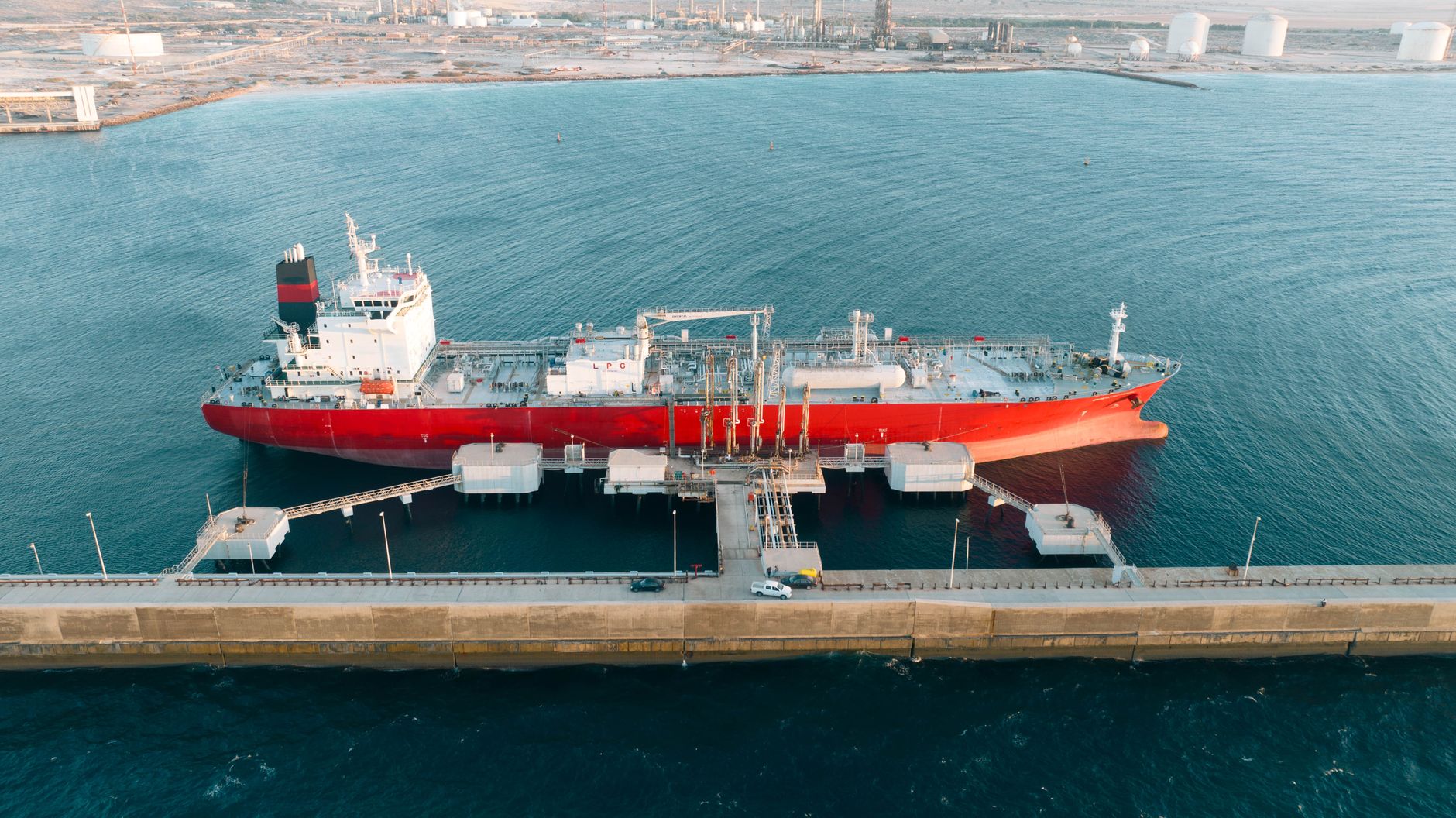
Houthis seize Red Sea port is a significant development in Yemen’s ongoing conflict, as the group takes control of the strategic port of Mokha.
Background on the Houthis
The Houthis, an armed group originating from northern Yemen, have been a significant force in the ongoing conflict in the region. Since their rise in the early 2000s, they have engaged in a series of confrontations with the Yemeni government and external forces. The Houthis are known for their strong ideological stance, which is rooted in Zaydi Shia Islam, and their opposition to Sunni-led Saudi influence in Yemen.
In recent years, the conflict escalated dramatically, culminating in a civil war that has drawn in a coalition of Arab states led by Saudi Arabia. The recent seizure of the strategic Red Sea port of Mokha by the Houthis is viewed as a clear threat to stability in the region, raising concerns over maritime security and humanitarian access in Yemen.
The port’s control could significantly impact trade routes and exacerbate the humanitarian crisis faced by millions.
Importance of Mokha Port
The recent seizure of Mokha Port by the Houthis marks a critical shift in the ongoing conflict in Yemen. This port, strategically located along the Red Sea, has significant implications for regional trade and security.
Importance of Mokha Port:
- Trade Route: Mokha serves as a vital gateway for goods entering and exiting Yemen, impacting the flow of supplies to and from the region.
- Military Significance: Control of the port enhances the Houthis’ military capabilities, allowing them to potentially disrupt maritime activities in the Red Sea.
- Humanitarian Access: The port’s accessibility is crucial for delivering humanitarian aid to millions of Yemenis in need.
The Houthis’ seizure of Mokha Port poses a clear threat to stability, raising concerns among neighboring countries and international stakeholders about the potential escalation of conflict in the region.
Recent Developments in Yemen
In a significant escalation of conflict in the region, the Houthis have seized the strategic Red Sea port of Mokha. This development marks a pivotal moment in Yemen’s ongoing civil war and poses a clear threat to the stability of maritime trade routes. The takeover of Mokha port allows the Houthis to control key shipping lanes, potentially disrupting international shipping and increasing tensions in an already volatile area.
Local reports suggest that the Houthis’ advance was met with limited resistance, raising concerns about the ability of opposing forces to maintain control over critical infrastructure. Observers warn that this move could embolden the Houthis to pursue further territorial gains along the Red Sea coast.
As the situation evolves, the international community is closely monitoring the implications of the Houthis seizing the Red Sea port and its impact on regional security.
International Reactions to the Seizure
The recent actions by the Houthis to seize the Red Sea port of Mokha have drawn widespread international condemnation. Governments and organizations are expressing concern over the potential escalation of conflict in the region.
Among the notable reactions:
- The United Nations has called for immediate dialogue to de-escalate tensions and ensure humanitarian aid reaches affected areas.
- The United States urged the Houthis to relinquish control of the port, emphasizing that such actions threaten stability in Yemen and the surrounding waters.
- Regional allies of Yemen’s internationally recognized government have voiced their support, warning of the implications for maritime security and trade.
The international community remains vigilant, as the Houthis’ seizure of the Red Sea port could have far-reaching consequences for the ongoing humanitarian crisis in Yemen.
Impact on Regional Trade
The recent seizure of the Mokha port by the Houthis represents a significant disruption to regional trade dynamics. This strategic location along the Red Sea has long been a vital hub for maritime commerce, facilitating the movement of goods between Europe, Africa, and Asia.
With the Houthis now in control, shipping routes are at risk, potentially leading to increased costs and delays. The port’s capture could allow the Houthis to impose tariffs on vessels, further complicating trade flows in an already tense region.
Furthermore, the instability generated by this move may deter foreign investment and raise security concerns among shipping companies. As stakeholders assess the ramifications of the Houthis seizing the Red Sea port, the future of trade in the region hangs in the balance, making it crucial for international powers to respond effectively.
Humanitarian Concerns in Yemen
The recent seizure of the Mokha port by the Houthis has raised significant humanitarian concerns in Yemen, a country already grappling with a severe crisis. The port’s strategic location was crucial for the delivery of essential goods and aid to the war-torn nation. With the Houthis in control, access to vital supplies is threatened, exacerbating the plight of millions of civilians.
According to humanitarian organizations, the ongoing conflict has led to widespread malnutrition, particularly among children. The loss of Mokha port could result in a dramatic increase in food insecurity and medical shortages.
Key concerns include:
- Disruption of aid delivery: Many NGOs may struggle to reach those in need.
- Escalation of violence: Increased conflict could further hinder humanitarian efforts.
- Economic decline: The local economy may suffer without access to trade routes.
Future Implications for the Conflict
The recent seizure of the Mokha port by the Houthis marks a significant escalation in the ongoing conflict in Yemen. This development poses serious future implications for both the region and international maritime security. With control over this strategic Red Sea port, the Houthis could potentially disrupt shipping routes, impacting global trade flows.
Furthermore, the increased military presence in the area may lead to heightened tensions with neighboring countries, particularly Saudi Arabia and the United Arab Emirates, which have vested interests in maintaining stability in the Red Sea.
Analysts warn that the Houthis’ control over Mokha port could embolden their military capabilities, leading to a prolonged conflict. As the situation unfolds, it remains crucial for international stakeholders to engage in diplomatic efforts to mitigate the risks associated with the Houthis seizing this key maritime asset.
The international community is alarmed as Houthis seize Red Sea port, raising concerns about the impact on regional trade routes. This bold move by the Houthis seize Red Sea port further destabilizes an already fragile situation in the area.
Photo by abdo alshreef on Pexels