
Milky Way formation has been a topic of interest for astronomers. New simulations reveal how our galaxy evolved from thousands of smaller galaxies during a period known as ‘Cosmic Dawn.’
What is the Cosmic Dawn?
The term Cosmic Dawn refers to a significant period in the early universe, approximately 13 billion years ago, when the first galaxies began to form. This era marks the beginning of cosmic structure formation, laying the groundwork for what would eventually evolve into galaxies like our own Milky Way. During this time, numerous small galaxies coalesced under the influence of gravity, leading to larger structures.
Recent simulations have provided valuable insights into how these processes unfolded. They suggest that the Milky Way formation was heavily influenced by the merging of these smaller galaxies, which contributed to its growth and complexity. The simulation data highlights several key factors:
- The presence of dark matter, which played a pivotal role in galaxy formation.
- Interactions between gas clouds that fueled star formation.
- The gravitational pull that facilitated the merger of smaller galaxies.
Understanding the Cosmic Dawn is crucial for astronomers as it sheds light on the origins and evolution of our Milky Way galaxy.
How do galaxies merge?
The process of galaxy merging is a fundamental aspect of understanding the Milky Way formation. When galaxies collide, they can either pass by each other or merge into a single, larger galaxy. This phenomenon is driven by their mutual gravitational attraction, which pulls them closer together.
During the merger, several outcomes can occur:
- Formation of New Stars: The gas and dust from the merging galaxies can trigger intense star formation as the material compresses under gravity.
- Distribution of Mass: The merger redistributes the mass of both galaxies, potentially leading to the formation of a more massive core.
- Change in Structure: The merger can alter the shape and structure of the galaxies, resulting in elliptical or irregular forms.
- Interaction with Dark Matter: Dark matter halos also interact during the merging process, affecting the galaxies’ overall dynamics.
Understanding these mergers is crucial for a complete picture of Milky Way formation, illustrating how our galaxy evolved from numerous smaller systems in the early universe.
Significance of new simulations
The recent simulations of the Milky Way formation provide groundbreaking insights into our galaxy’s evolution. These advanced models not only enhance our understanding of how the Milky Way developed but also shed light on the broader processes that govern galaxy formation in the universe. By simulating the conditions of the early universe, researchers have been able to recreate the interactions between thousands of smaller galaxies that contributed to the growth of the Milky Way.
One significant aspect of these simulations is their ability to illustrate the timeline of galaxy mergers and interactions. As a result, scientists can now better grasp the scale and complexity of these events during the Cosmic Dawn. The findings indicate that the Milky Way’s stellar population is a mosaic of stars originating from various galaxies, reflecting a rich history of cosmic evolution.
Moreover, these simulations allow astronomers to test various theories regarding dark matter and the forces shaping galaxies. Understanding the Milky Way formation through these innovative simulations ultimately brings us closer to unraveling the mysteries of our universe.
Implications for future research
The recent findings on Milky Way formation have significant implications for future research in astrophysics and our understanding of galaxy evolution. By revealing the complex process through which our galaxy merged with thousands of smaller galaxies during the Cosmic Dawn, these simulations offer a more nuanced view of galactic development.
Researchers can now build upon these insights in several key areas:
- Galaxy Formation Theories: The new simulations challenge existing models and may lead to the development of improved theories regarding how galaxies like the Milky Way evolve over billions of years.
- Dark Matter Studies: Understanding how dark matter influences the merger processes can provide clues about its role in shaping galaxies.
- Exoplanet Research: Insights into galaxy formation may inform studies of planet formation and habitability, as conditions within merging galaxies can affect the development of planetary systems.
As researchers delve deeper into the implications of these simulations, we may uncover more about the history and future of our own galaxy.
Understanding galaxy evolution
Understanding galaxy evolution is crucial to grasping the complexities of the universe. Recent advancements in simulations have shed light on the Milky Way formation, illustrating how it developed from a vast number of smaller galaxies during the early stages of the universe. These simulations provide a detailed picture of the processes involved in the amalgamation of these celestial bodies.
The evolution of galaxies, including our own Milky Way, is influenced by several factors:
- Gravitational interactions: Galaxies attract one another, leading to mergers and collisions that significantly alter their structures.
- Dark matter: This unseen component plays a vital role in galaxy formation by providing the necessary gravitational pull.
- Gas and star formation: The availability of gas is crucial for star formation, which in turn affects the galaxy’s growth and evolution.
These findings not only enhance our understanding of the Milky Way formation but also pave the way for future research into the dynamics of other galaxies in the universe.
Milky Way formation explained
The formation of the Milky Way is a complex process that has fascinated astronomers for decades. Recent advances in simulations have provided new insights into how our galaxy evolved over billions of years. These simulations show that the Milky Way formed from the merging of thousands of smaller galaxies during a period known as the Cosmic Dawn.
This era, which occurred approximately 13 billion years ago, was critical for galaxy formation. As gas and dark matter coalesced, these smaller galaxies collided and merged, leading to the growth of larger structures. The simulations reveal that the interactions between these galaxies were not merely chaotic but followed specific patterns that contributed to the Milky Way’s unique characteristics.
Additionally, the findings indicate that the Milky Way continues to evolve, as it is still interacting with nearby galaxies. Understanding the Milky Way formation process offers valuable clues about the evolution of galaxies in the universe and helps scientists refine their models of cosmic history.
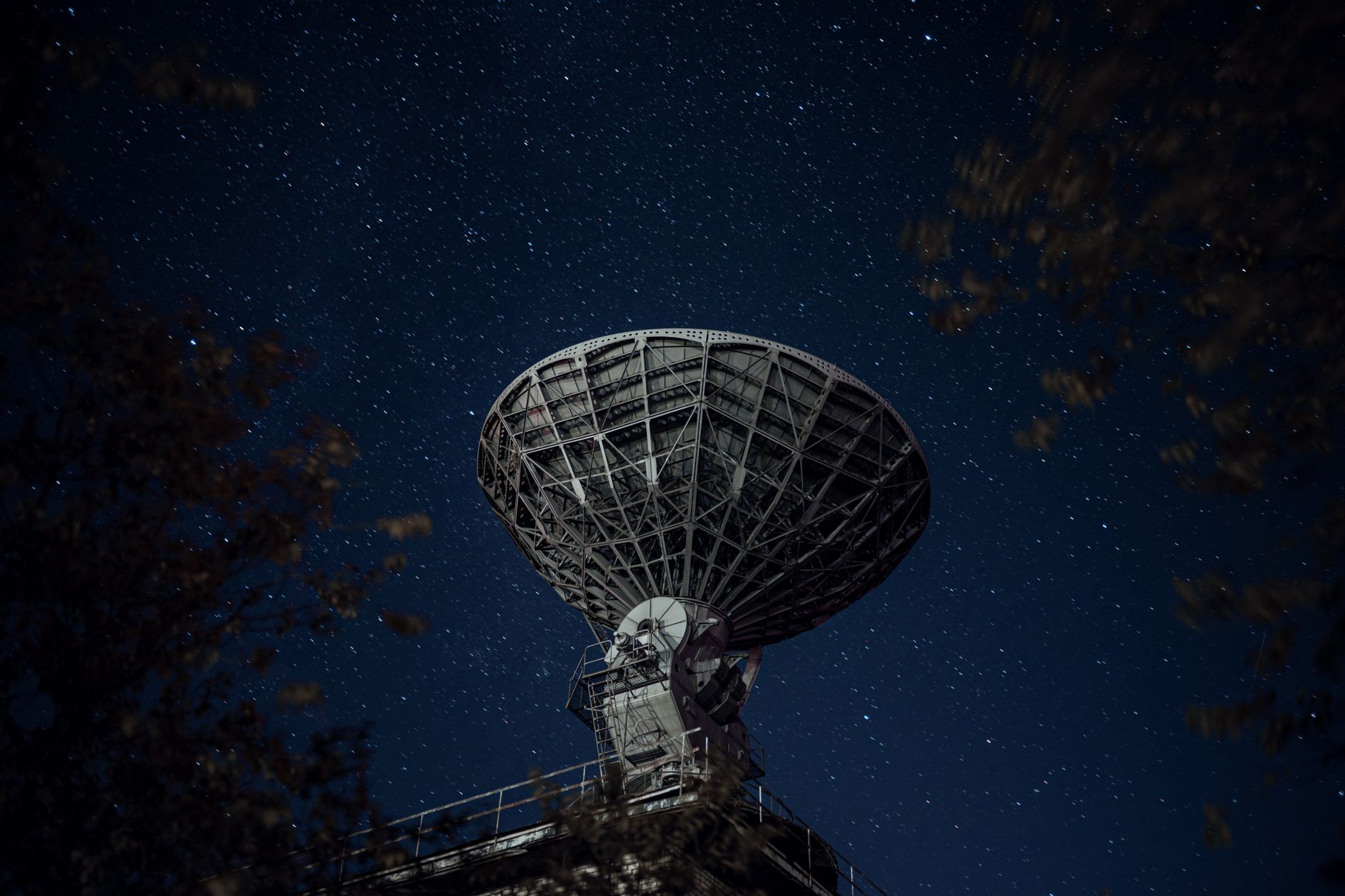
Photo by Jhovani Morales on Pexels
References
Related stories
Trump Peace Plan: The Worst Obstacles to Rebuilding Now · Six One News: The Best Coverage of Current Events · Nana Patekar Krantiveer Raises Wrong Questions About Violence

One thought on “Milky Way formation: What Proven Simulations Reveal About Growth”