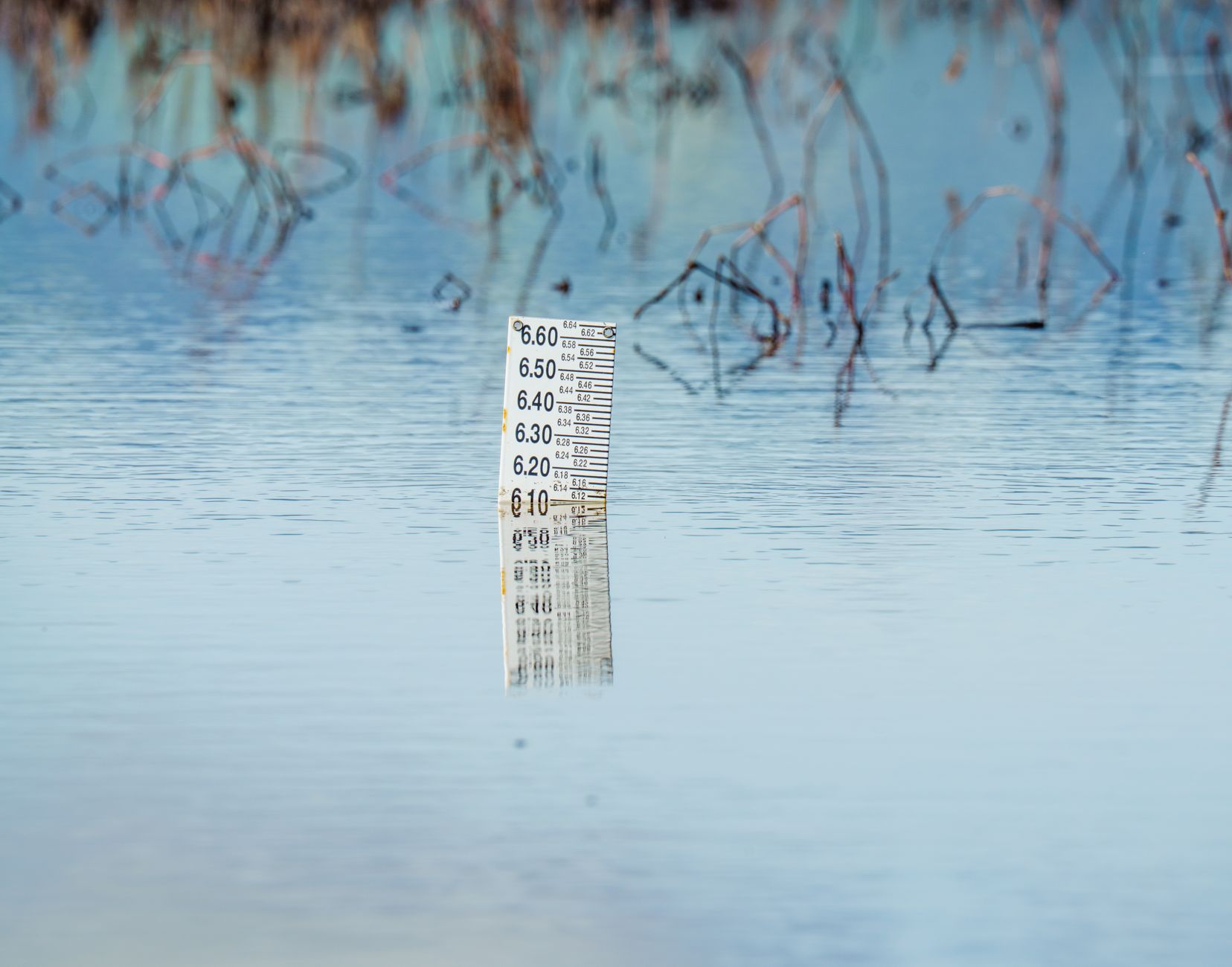
sea-level rise impact is becoming a pressing concern for shorebirds as researchers find that it could squeeze them out of critical coastal habitat. This study highlights the urgent need for conservation efforts.
Understanding Sea-level Rise
The impact of sea-level rise is becoming increasingly evident, particularly in coastal regions where vital ecosystems are at risk. As global temperatures continue to rise, polar ice melts and ocean waters expand, leading to higher sea levels that encroach upon shorelines.
One of the most affected groups by this phenomenon is shorebirds, which rely on specific coastal habitats for nesting and feeding. These birds are not only indicators of environmental health but also play crucial roles in their ecosystems.
Researchers have identified several ways in which sea-level rise can harm shorebirds:
- Loss of Habitat: Increased flooding can submerge nesting areas, making them unsuitable for breeding.
- Disruption of Food Sources: As saltwater intrudes into estuaries, it can affect the availability of food for shorebirds.
- Altered Migration Patterns: Rising sea levels may force birds to change their migratory routes, leading to decreased population numbers.
Understanding the impact of sea-level rise on these species is crucial for developing conservation strategies that can help protect both shorebirds and their habitats.
The Importance of Coastal Habitats
Coastal habitats play a crucial role in maintaining biodiversity and supporting various species, particularly shorebirds. These areas serve as essential nesting and feeding grounds, providing the necessary resources for survival and reproduction. With the rising threat of sea-level rise impact, these habitats are increasingly at risk.
Researchers emphasize the importance of preserving these coastal ecosystems as they face challenges such as:
- Habitat Loss: Rising waters can inundate key nesting areas, forcing shorebirds to find new locations that may not be as suitable.
- Food Scarcity: Changes in salinity and erosion can affect the availability of food sources critical for shorebirds.
- Increased Competition: Displaced shorebirds may compete for limited resources, putting additional pressure on already vulnerable populations.
As sea levels continue to rise, the consequences for these habitats become more severe. Conservation efforts are vital to mitigate the effects of sea-level rise impact and protect the delicate balance of coastal ecosystems. Understanding the interconnectedness of these habitats and the species that depend on them is essential for effective management and preservation strategies.
Shorebird Species at Risk
As sea-level rise continues to encroach on coastal areas, numerous shorebird species are facing significant threats to their habitats. The rising waters not only reduce the available land for nesting but also affect the food sources essential for their survival. Among the shorebird species at risk are:
- Red Knot: This migratory bird relies on intertidal zones to refuel during its long journeys.
- Snowy Plover: Known for its delicate nesting sites along sandy beaches, this species is vulnerable to flooding.
- Willet: These birds depend on coastal wetlands, which are increasingly being lost to rising sea levels.
- Least Tern: Their nesting areas are often situated on the shore, putting them at risk of inundation.
Researchers emphasize the urgency of addressing the impacts of sea-level rise, as these birds play a crucial role in maintaining the ecological balance of coastal ecosystems. The loss of habitat not only endangers shorebirds but also disrupts the entire food chain, showcasing the interconnectedness of nature. Protecting these species is vital for the health of coastal environments.
Research Findings on Habitat Loss
Recent studies have highlighted the alarming impact of sea-level rise on shorebird habitats, revealing the potential for significant habitat loss. Researchers emphasize that as sea levels continue to rise, critical coastal areas where these birds breed, feed, and rest are increasingly at risk.
The findings indicate that various shorebird species, including the endangered piping plover, could face severe challenges in their natural environments. The gradual encroachment of seawater into these habitats may lead to:
- Reduced nesting areas: Many shorebirds rely on sandy beaches and dunes for nesting, which are being eroded by rising tides.
- Increased flooding: Higher sea levels can inundate vital feeding grounds, forcing birds to search for alternative sources of food.
- Disruption of migration patterns: The loss of coastal habitats may alter traditional migration routes, complicating the birds’ life cycles.
Overall, the implications of sea-level rise impact extend beyond just the shorebirds; they also affect the broader ecosystem, highlighting the urgent need for conservation efforts and adaptive strategies to protect these vital coastal habitats.
Conservation Efforts for Shorebirds
Efforts to conserve shorebird habitats are becoming increasingly urgent as the impact of sea-level rise threatens these vital ecosystems. Conservationists are implementing various strategies to mitigate the effects of habitat loss and protect the delicate balance of coastal environments.
- Restoration Projects: Many organizations are working to restore degraded coastal habitats by planting native vegetation and enhancing wetland areas. These projects aim to provide shorebirds with safe nesting sites and access to food sources.
- Monitoring Programs: Ongoing research and monitoring of shorebird populations are essential for understanding the impact of sea-level rise. Data collected helps inform conservation strategies and prioritize areas for protection.
- Community Engagement: Educating local communities about the importance of shorebirds and their habitats fosters a sense of stewardship. Volunteer programs and outreach initiatives encourage public participation in conservation efforts.
- Policy Advocacy: Conservation groups are advocating for policies that address climate change and protect coastal environments. This includes promoting sustainable development practices that minimize habitat disruption.
By implementing these strategies, conservationists aim to mitigate the impact of sea-level rise and ensure a future for shorebirds in their natural habitats.
Future Implications of Climate Change
As climate change continues to escalate, the future implications of sea-level rise impact on coastal ecosystems become increasingly concerning. Researchers warn that rising waters could lead to the loss of essential habitats for shorebirds, which rely on these areas for nesting and feeding. The combination of rising sea levels and increased storm intensity threatens to erode vital shorelines, leaving many bird species with fewer places to thrive.
The projected rise in sea levels could result in significant habitat loss for birds such as the piping plover and least tern. These species are already facing challenges due to habitat degradation, and further encroachment by the sea will only exacerbate their plight. The future of these shorebirds hinges on effective conservation strategies that address both habitat preservation and climate resilience.
In light of these challenges, it is crucial for policymakers and conservationists to prioritize the protection of coastal habitats. This includes creating buffer zones, restoring degraded areas, and implementing sustainable management practices. By taking proactive measures, we can help mitigate the impacts of sea-level rise and ensure a brighter future for shorebirds and their habitats.
The sea-level rise impact is already being felt in many coastal regions, threatening the delicate ecosystems that shorebirds rely on for nesting and feeding. As habitats become increasingly submerged, the sea-level rise impact could lead to significant declines in shorebird populations.
Photo by Robert So on Pexels