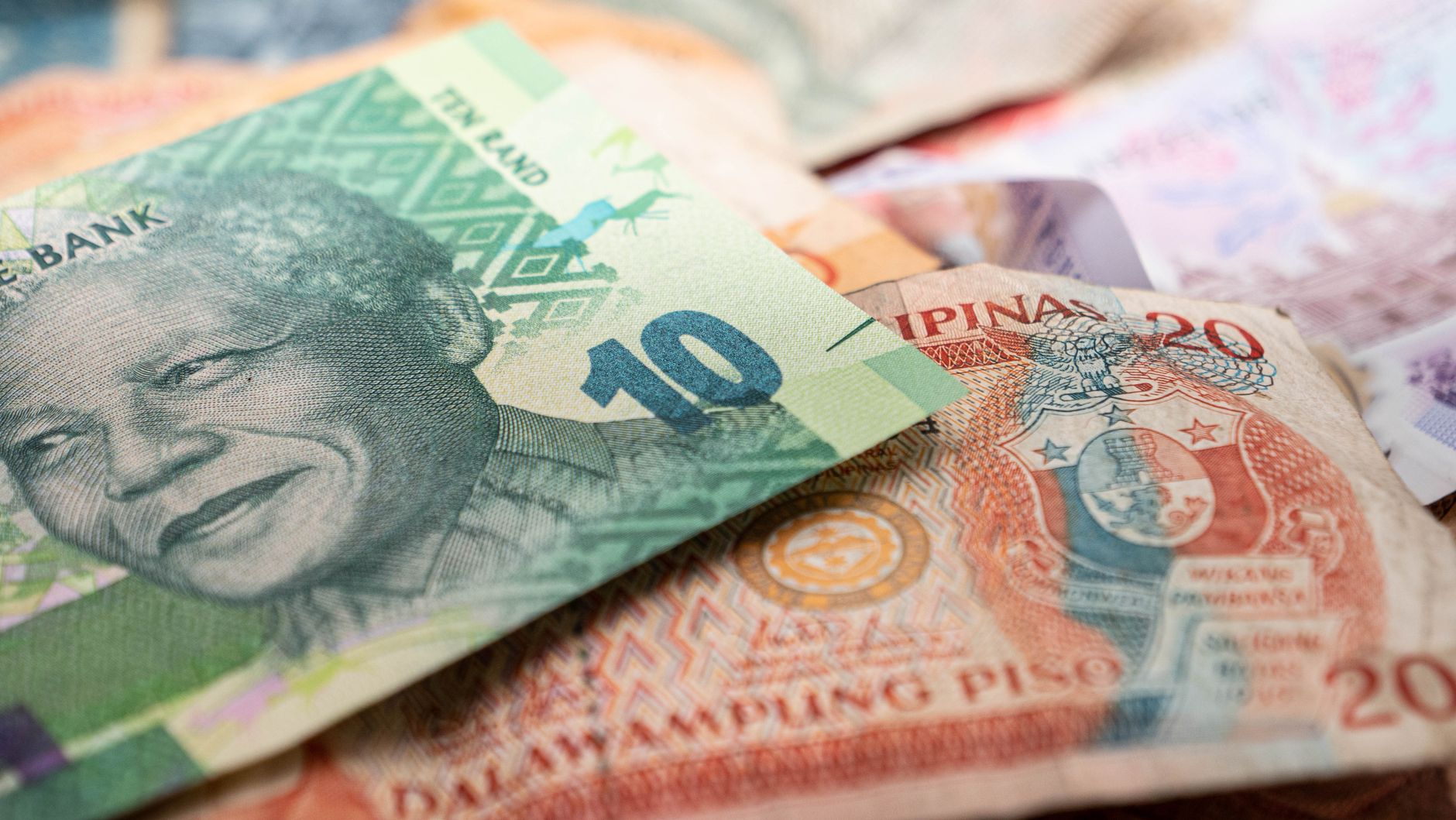
South Africa sanctions have been imposed by the Trump administration in response to claims of discrimination against white citizens. This significant move has stirred discussions on international relations and human rights.
Background on South Africa sanctions
The recent sanctions imposed on South Africa by the Trump administration highlight ongoing tensions regarding racial policies in the nation. These measures were introduced in response to claims of systemic discrimination against white South Africans, raising eyebrows among international observers.
The sanctions signal a significant shift in U.S. foreign policy, reflecting a growing concern over human rights conditions in the country. The Trump administration has emphasized that South Africa sanctions aim to address what they describe as unfair treatment of white farmers and other citizens based on race.
Historically, South Africa has been a focal point in discussions about racial inequality, particularly in the aftermath of apartheid. The new sanctions have reignited debates about the balance between addressing historical injustices and ensuring equal rights for all citizens, regardless of their race.
Critics of the sanctions argue that they may exacerbate divisions within South Africa, while supporters believe they are necessary to promote accountability. As the situation evolves, the international community is closely monitoring the implications of these measures on South Africa’s social and economic landscape.
Impact of sanctions on relations
The recent implementation of South Africa sanctions by the Trump administration has significant implications for diplomatic relations between the two nations. These measures, aimed at addressing allegations of discrimination against white South Africans, have stirred a complex mix of reactions both domestically and internationally.
Supporters of the sanctions argue that they are a necessary step towards promoting equality and justice. They believe that holding the South African government accountable for its policies is essential in fostering a more inclusive society. However, critics contend that such punitive actions may further strain relations and hinder constructive dialogue.
The impact of these sanctions on bilateral trade and cooperation cannot be overlooked. Key areas that may be affected include:
- Economic partnerships in mining and agriculture
- Collaborative efforts in tackling security issues
- Joint initiatives in health and education
As both nations navigate this challenging landscape, the future of their relationship remains uncertain. The South Africa sanctions may lead to a reevaluation of long-standing alliances and diplomatic strategies.
Reactions to the Trump administration’s decision
The decision by the Trump administration to impose new South Africa sanctions has elicited a wide range of reactions from various stakeholders. Supporters of the sanctions argue that they are a necessary measure to address the ongoing issues of discrimination against white farmers and to promote equality in the region. They believe that these tough measures will signal to the South African government that discriminatory practices will not be tolerated.
However, critics of the sanctions argue that such actions may exacerbate tensions within the country and could lead to further economic instability. “Sanctions will only hurt the most vulnerable populations,” said a representative from a local human rights organization. They warn that the impact of these sanctions could ripple through the economy, affecting jobs and livelihoods across South Africa.
International reactions have also been mixed. Some countries have expressed support for the U.S. stance, citing the need for accountability, while others have condemned the sanctions as an overreach of foreign policy. As discussions continue, the implications of the South Africa sanctions are likely to shape diplomatic relations and economic conditions in the region for years to come.
Understanding the discrimination claims
The recent South Africa sanctions imposed by the Trump administration have ignited a complex debate surrounding alleged discrimination against white South Africans. Critics of the sanctions argue that these measures are based on claims that fail to consider the broader socio-economic context in the country.
Among the main arguments against the sanctions are:
- Historical Context: Many assert that the current socio-political landscape in South Africa must be viewed through the lens of its apartheid past, where systemic discrimination affected non-white citizens for decades.
- Economic Implications: Opponents of the sanctions warn that these measures could exacerbate existing economic inequalities, potentially harming all South Africans, regardless of race.
- Political Motivations: Some believe that the sanctions serve as a political tool rather than a genuine effort to address discrimination, suggesting that they may be more about garnering domestic support than fostering justice.
As the discussions unfold, the Trump administration’s South Africa sanctions continue to polarize opinions, raising questions about the effectiveness and morality of such measures in addressing discrimination.
Photo by Rufaro Makaya on Pexels


One thought on “South Africa sanctions: Trump administration’s tough new measures”