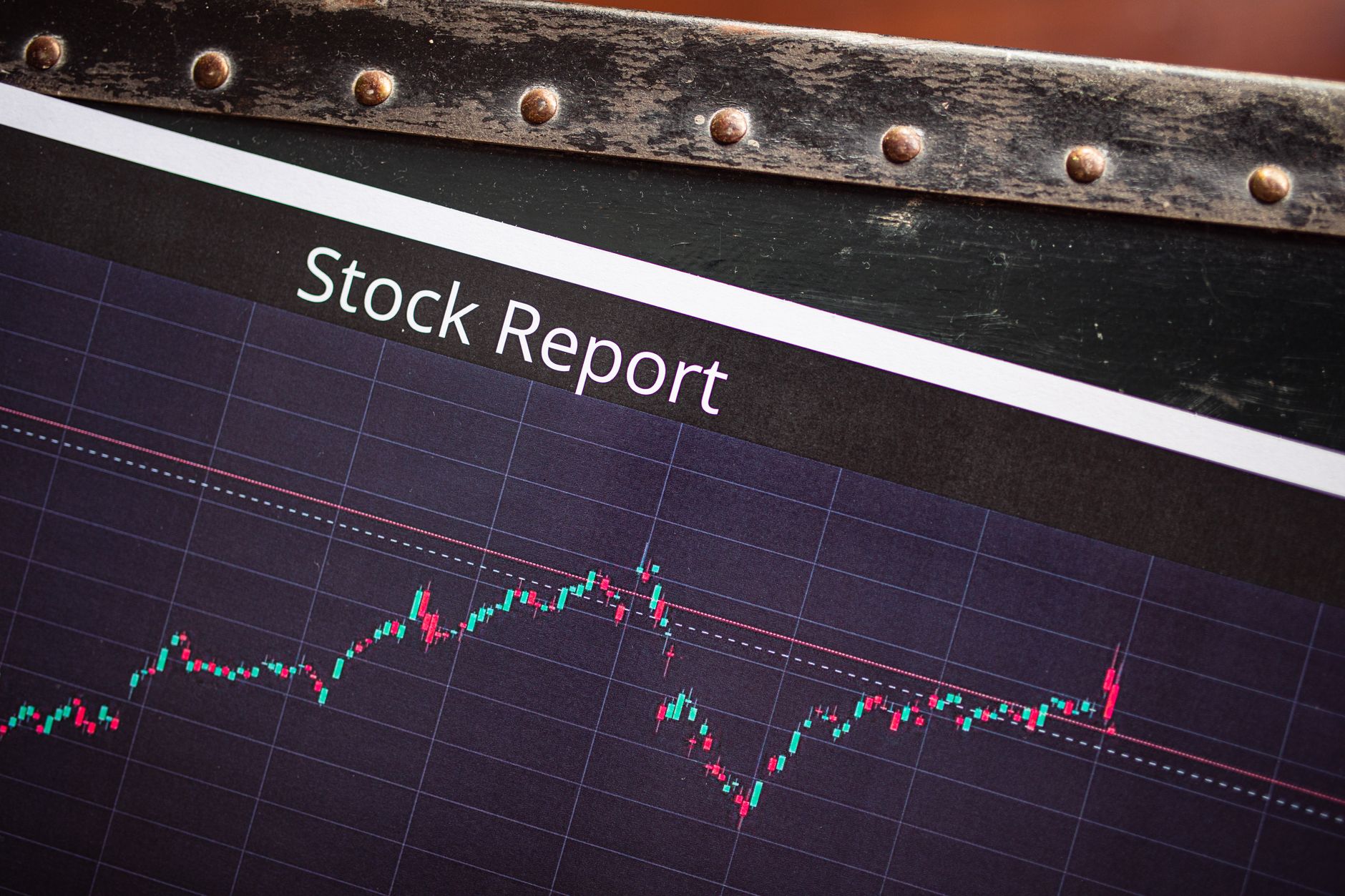
Trump stock trades have left many stunned, especially Joe Scarborough, who was shocked to learn that Trump placed more trades than all of Congress combined.
The Shocking Truth About Trump Stock Trades
Recent revelations have sparked a wave of astonishment regarding Trump stock trades. A shocking comparison has emerged, highlighting that former President Donald Trump executed more stock trades than all members of Congress combined. This startling discovery caught the attention of Joe Scarborough, who expressed his disbelief on air, stating, “Oh, come on!” as he unpacked the implications of these findings.
According to reports, Trump’s trading activity vastly outstripped that of Congress. This raises several questions about the motivations behind his trading strategy and the potential influence of political power on financial decisions. The investigation into these trades has revealed that:
- Trump’s trading volume was significantly higher than that of most lawmakers.
- Several trades occurred during pivotal moments in policy-making, leading to speculation about insider knowledge.
- The transactions could reflect a strategic approach to leveraging market fluctuations.
As this story unfolds, analysts are keenly observing the potential ramifications for both Trump and the broader political landscape. The implications of these findings on public trust and legislative transparency could be profound, prompting calls for stricter regulations on stock trading among public officials.
How Trump Outperformed Congress in Stock Trading
In a surprising turn of events, recent analysis has revealed that former President Donald Trump outperformed Congress in stock trading, leaving many political commentators in disbelief. The findings have sparked discussions about the ethical implications of such trading activities, especially in light of the former president’s influence and public statements regarding the economy.
During a segment on MSNBC, Joe Scarborough expressed his astonishment upon discovering that Trump placed more stock trades than all members of Congress combined. This revelation has raised questions about the motivations behind Trump’s trading strategies and the timing of his transactions.
Key points from the analysis include:
- Volume of Trades: Trump’s stock trades significantly exceeded those of congressional leaders.
- Market Timing: Several trades coincided with major political events, prompting speculation about insider knowledge.
- Transparency Issues: Critics argue that Trump’s trades may reflect a lack of accountability that should be expected from public figures.
As the story unfolds, the implications of Trump’s stock trades and their impact on public trust in elected officials remain a topic of heated debate.
Joe Scarborough’s Reaction to the News
Joe Scarborough, the host of Morning Joe, expressed his disbelief during a recent segment discussing the shocking discovery about Trump stock trades. As the discussion unfolded, Scarborough highlighted the staggering fact that former President Donald Trump reportedly placed more stock trades than all of Congress combined.
Scarborough’s reaction was one of astonishment, as he remarked, “Oh, come on! How is that even possible?” The revelation has sparked widespread interest and concern regarding the implications of such trading activity, particularly given Trump’s previous criticisms of Wall Street and his claims to prioritize the interests of ordinary Americans.
In further commentary, Scarborough pointed out the ethical questions raised by Trump’s extensive trading activity. He noted that the former president’s ability to navigate the stock market seems at odds with his public persona as a champion for the working class. This has led to a debate among political analysts about the potential influence of Trump’s stock trades on his political career and public perception.
As the news continues to unfold, many are left wondering how these shocking statistics about Trump stock trades will impact the ongoing narrative surrounding his time in office and his future political ambitions.
The Implications of Trump’s Trading Activities
The recent revelations regarding Trump stock trades have sparked intense debate about the implications of such trading activities for both political accountability and market integrity. As former President Donald Trump reportedly executed more stock trades than all of Congress combined, questions arise about the motivations and potential conflicts of interest inherent in his trading practices.
Critics argue that this level of trading raises ethical concerns, particularly in light of Trump’s influence in shaping economic policies during his presidency. The staggering volume of trades may suggest an attempt to capitalize on insider knowledge, prompting calls for stricter regulations governing stock trading by elected officials.
Furthermore, the fallout from these findings could lead to increased scrutiny of not only Trump but also other politicians engaged in similar trading activities. The implications extend beyond individual actions; they challenge the trust the public places in their leaders to act in the best interest of the nation.
As discussions continue, the need for transparency and accountability in financial dealings of public figures becomes increasingly apparent. The ongoing analysis of Trump’s stock trades will likely influence future legislation aimed at preventing conflicts of interest among those in power.
What This Means for Congressional Oversight
The recent revelations regarding Trump stock trades have raised significant concerns about the effectiveness of Congressional oversight. With reports indicating that former President Donald Trump engaged in more stock trades than all members of Congress combined, the implications for transparency and accountability in financial dealings are profound.
Firstly, this situation highlights a potential gap in regulatory frameworks that govern stock trading among public officials. Congressional oversight is designed to ensure that those in power adhere to ethical standards, yet the stark contrast in trading activity suggests a need for more stringent rules.
Moreover, as financial markets continue to fluctuate, the ability of public officials to engage in stock trading can lead to conflicts of interest. This discovery raises critical questions about the motivations behind such trades and whether they are influenced by insider information or other unethical practices.
As the public becomes increasingly aware of the dynamics of Trump stock trades, there is a growing demand for legislative reforms aimed at enhancing transparency. Lawmakers must consider how to strengthen oversight mechanisms to prevent potential abuses and ensure that all officials are held to the highest ethical standards.
Comparing Trump’s Trades to Other Politicians
In a recent analysis of stock trades made by politicians, the findings surrounding Trump stock trades have raised eyebrows. When compared to other prominent figures in Congress, Trump’s trading activity stands out significantly. While many lawmakers engage in limited trading, often due to ethical constraints or a focus on their legislative duties, Trump’s approach appears quite different.
Data reveals that Trump executed more stock trades than all members of Congress combined over a certain period. This stark contrast has led to various questions regarding the motivations behind such trading patterns. Several key points emerge when comparing Trump’s trades to those of his peers:
- Volume of Trades: Trump’s frequency of transactions dwarfs that of the average congressperson.
- Timing: Many of Trump’s trades occurred during crucial market movements, prompting speculation about possible insider knowledge.
- Ethical Concerns: The disparity has sparked debates regarding the ethical implications of trading while in public office.
The conversation around the significance of Trump’s trading activities continues to evolve, especially in light of potential reforms in congressional oversight.
The Future of Stock Trading in Politics
The recent revelations regarding Trump stock trades have sparked significant debate about the ethics and oversight of trading activities among political figures. As the scrutiny intensifies, experts warn that the future of stock trading in politics may be on the brink of transformation.
One major concern is the potential for conflicts of interest, especially when elected officials possess non-public information that could influence market outcomes. With Trump reportedly having made more stock trades than all of Congress combined, calls for stricter regulations and transparency are growing louder.
Advocates for reform argue that enhanced disclosure requirements could help mitigate these risks. They suggest that officials should be mandated to publicly disclose their trades in real-time, thereby promoting accountability and trust among constituents.
Moreover, the conversation around ethics in trading is not limited to Trump alone. Many politicians have faced scrutiny for their trading activities, raising questions about whether current regulations are sufficient.
As discussions evolve, it is clear that the intersection of politics and stock trading will remain a hot topic, challenging the status quo and potentially leading to new legislative measures aimed at ensuring fairness and integrity in the financial dealings of public officials.
The recent investigation into Trump stock trades has revealed surprising connections between lawmakers and the former president’s business dealings. As more details emerge, the implications of these Trump stock trades could have significant repercussions for Congress and its ethical standards.
Photo by RDNE Stock project on Pexels

One thought on “Trump Stock Trades: Shocking Discovery About Congress”