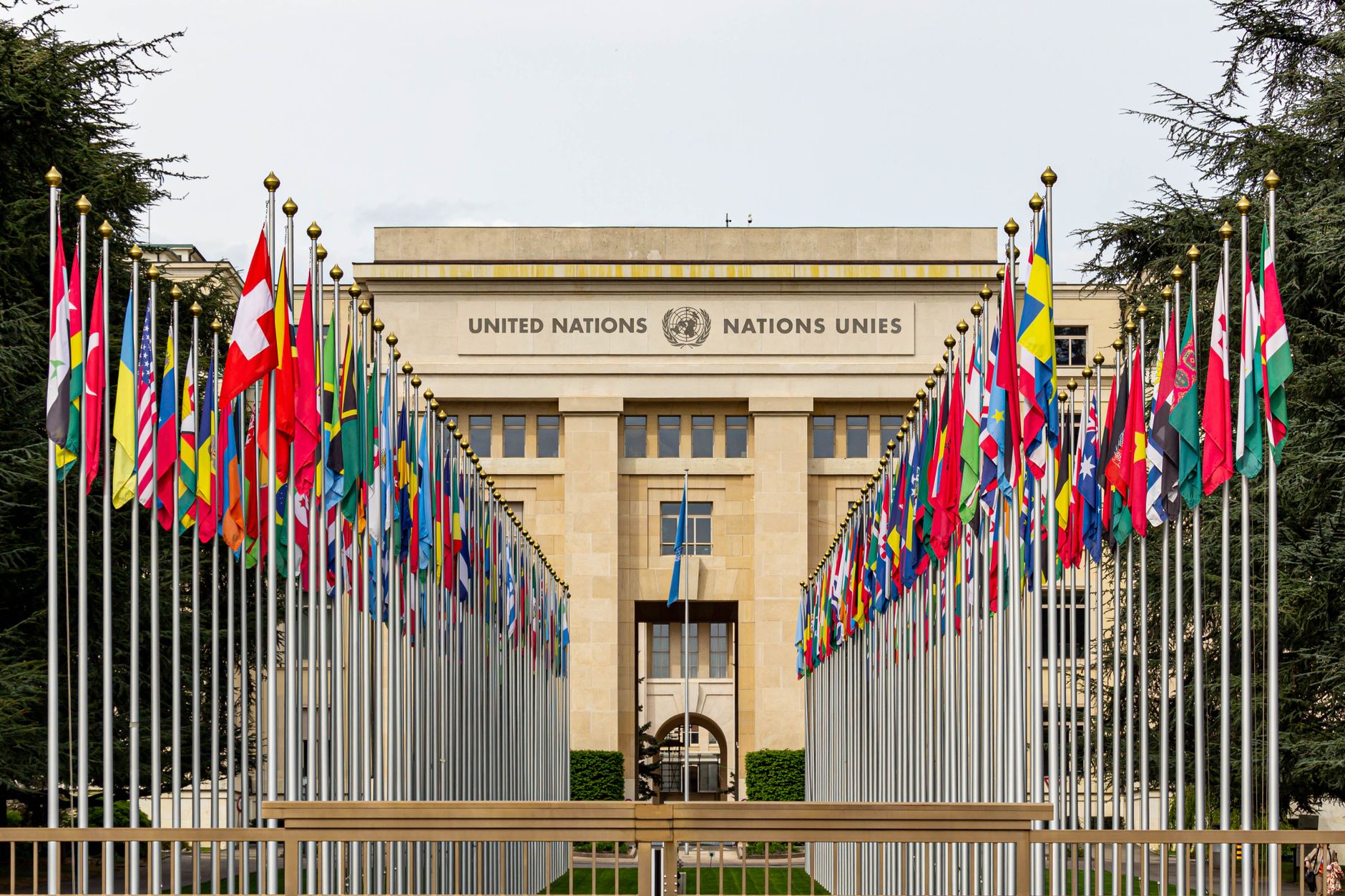
stronger multilateralism is crucial for addressing global challenges effectively. As countries gather at the UNGA, the call for enhanced cooperation is more urgent than ever.
Jaishankar’s Vision for Global Cooperation
During his recent address at the United Nations General Assembly, Indian External Affairs Minister S. Jaishankar articulated a compelling vision for global cooperation. He emphasized the necessity of stronger multilateralism to address the pressing challenges facing the world today. Jaishankar argued that a collaborative approach among nations is essential to foster peace, security, and development.
He underscored the importance of including diverse voices in global discussions, stating that unilateral actions often lead to conflicts and misunderstandings. In his view, multilateral frameworks can facilitate dialogue and promote shared objectives among countries.
Jaishankar also highlighted the role of international organizations in driving this agenda, asserting that they must evolve to remain relevant in a rapidly changing geopolitical landscape. He called for nations to work together, moving beyond narrow interests to achieve sustainable solutions for global issues.
His remarks resonated with many, sparking a renewed discussion on the need for comprehensive international cooperation.
Iran’s Role in Multilateral Discussions
Iran has emerged as a pivotal player in multilateral discussions, particularly in light of recent calls for stronger multilateralism. The nation’s delegation has arrived in New York, ready to engage in conversations that may reshape international relations.
As global stakeholders gather, Iran’s participation is seen as crucial for addressing pressing issues such as:
- Regional stability and security
- Nuclear non-proliferation efforts
- Economic cooperation and trade
Experts suggest that Iran’s involvement could facilitate a more inclusive dialogue, fostering an environment where diverse perspectives are recognized. This approach aligns with the broader vision of strengthening multilateralism, allowing for collective problem-solving in an increasingly fragmented world.
As discussions unfold, the role of Iran may prove vital in bridging divides and promoting unity among nations.
Highlights from the UNGA
The recent United Nations General Assembly (UNGA) has spotlighted the importance of stronger multilateralism in addressing global challenges. Key discussions highlighted the need for enhanced cooperation among nations to tackle pressing issues such as climate change, health crises, and economic instability.
Several delegations emphasized the significance of unity in achieving sustainable development goals. Notable points from the assembly included:
- Global Health Initiatives: Calls for collective action to improve healthcare systems worldwide.
- Climate Action: Urgent appeals to implement policies that mitigate environmental degradation and promote renewable energy.
- Economic Recovery: A consensus on the necessity of collaborative strategies to revitalize the global economy post-pandemic.
The discussions underscored that a commitment to stronger multilateralism is crucial for fostering a stable and prosperous international community.
The Importance of Stronger Multilateralism
In an increasingly interconnected world, the call for stronger multilateralism has gained significant traction among global leaders. This approach emphasizes collective action and cooperation among nations to address pressing issues such as climate change, health pandemics, and economic disparities.
One of the primary advantages of multilateralism is its ability to foster dialogue and understanding, reducing the risk of conflicts and promoting stability. By bringing together diverse perspectives, nations can collaborate more effectively and develop comprehensive solutions that benefit all parties involved.
Moreover, stronger multilateralism can enhance the legitimacy of international institutions, ensuring they reflect the interests of a broader range of countries. This inclusivity is essential for building trust and facilitating cooperation on global challenges.
As discussions progress on various platforms, the emphasis remains on establishing frameworks that prioritize multilateral engagement and shared responsibility among nations.
Photo by Hugo Magalhaes on Pexels

One thought on “Stronger multilateralism: Is it the right approach for global unity?”