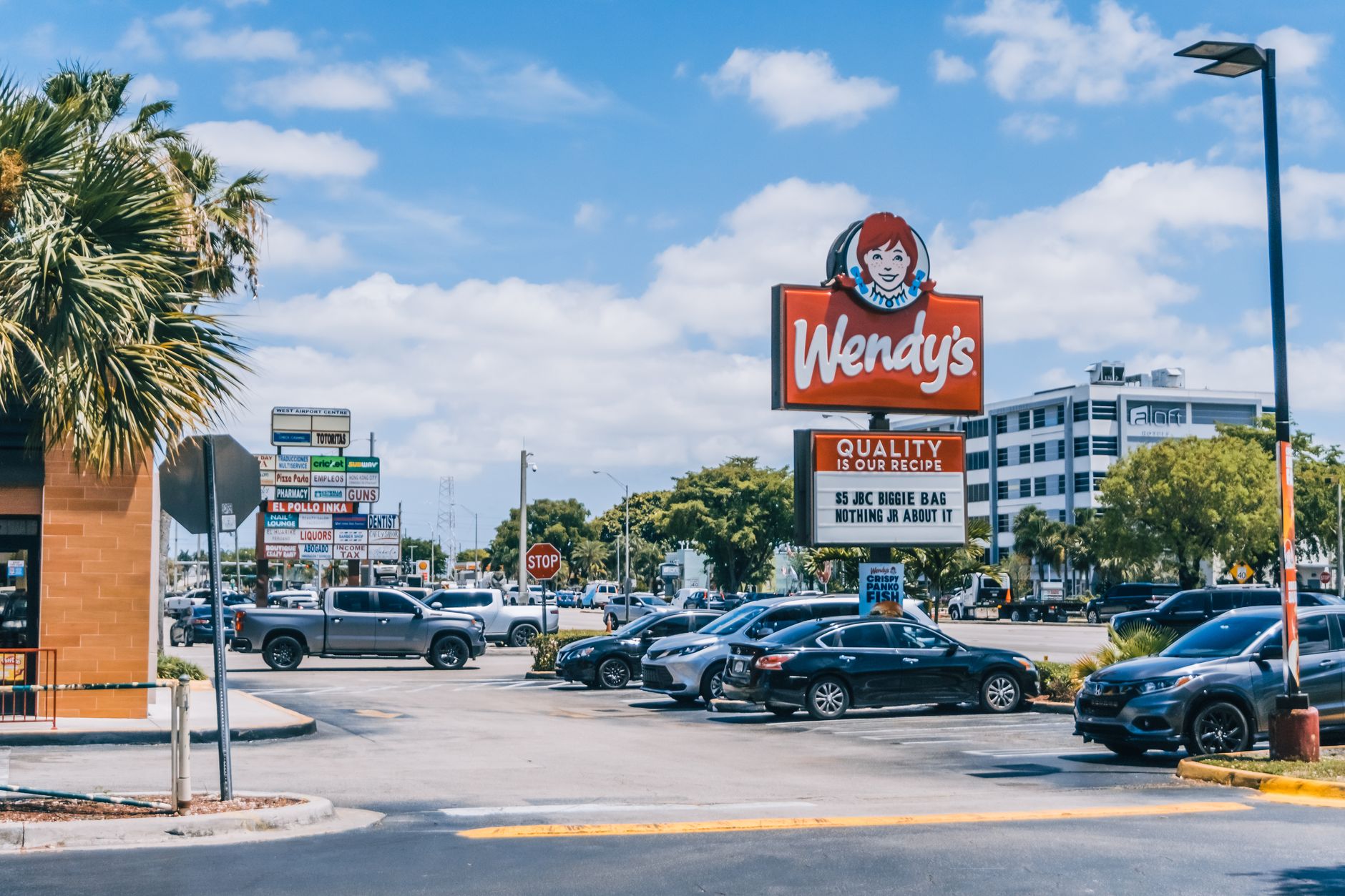
Wendy’s bankruptcy protection is a critical issue as the operator of 314 locations in the US files for bankruptcy. This move raises concerns about the future of the fast-food chain.
Overview of Wendy’s Bankruptcy
The fast-food industry is facing a significant challenge as the operator of 314 Wendy’s locations in the United States has filed for bankruptcy protection. This move highlights the increasing pressures on the restaurant sector amid changing consumer habits and rising operational costs. The decision to seek bankruptcy protection comes as many fast-food chains struggle to maintain profitability in a highly competitive market.
In recent years, Wendy’s has attempted to innovate its menu and improve customer experience, but these efforts have not been enough to offset financial difficulties. The bankruptcy protection filing is seen as a desperate measure to reorganize debts and potentially close underperforming locations.
Analysts suggest that this situation could be a harbinger of more challenges for the fast-food industry, as other chains might face similar fates. As Wendy’s navigates this turbulent period, the implications of its bankruptcy protection could resonate throughout the sector.
Impact on Employees and Locations
The recent filing for bankruptcy protection by the operator of 314 Wendy’s locations in the US has raised significant concerns regarding the impact on employees and local establishments. Many workers are facing uncertainty as the future of their jobs hangs in the balance.
Employees have expressed anxiety over potential layoffs, while others worry about reduced hours and benefits. The situation is particularly distressing for those who rely on their positions for financial stability.
In addition to job security, the filing for bankruptcy protection could lead to the closure of several locations, affecting not just employees but also the communities they serve. Local economies may suffer as these restaurants contribute to job creation and local spending.
Experts suggest that this development may lead to a reevaluation of the fast food landscape, highlighting the challenges many chains face in an increasingly competitive market. As the situation unfolds, the long-term implications for both workers and consumers remain unclear.
History of Wendy’s in the US
Wendy’s has been a staple in the American fast food landscape since its founding in 1969 by Dave Thomas in Columbus, Ohio. Known for its fresh, never frozen beef and unique square burgers, it quickly gained popularity and expanded throughout the United States. Over the decades, Wendy’s has adapted to changing consumer tastes and trends, introducing items like the Frosty and various salad options.
However, recent challenges have led to significant shifts within the company. As competition in the fast food industry intensified, Wendy’s began to face financial pressures. The operator of 314 Wendy’s locations in the US recently filed for bankruptcy protection, a move that highlights the difficulties even established brands can encounter. This decision marks a critical turning point in Wendy’s history, raising concerns about the brand’s future and the potential effects on its loyal customer base.
As the fast food industry evolves, Wendy’s bankruptcy protection signifies a pivotal moment that could reshape the landscape of quick-service dining.
Financial Struggles Leading to Bankruptcy
The fast-food giant Wendy’s has faced significant financial struggles, leading to its recent decision to seek bankruptcy protection. The operator of 314 Wendy’s locations in the United States has reported declining sales and increasing operational costs that have put immense pressure on its business model.
Several factors have contributed to this situation:
- Increased Competition: The rise of new fast-food chains and changing consumer preferences have made it challenging for Wendy’s to maintain its market share.
- Supply Chain Issues: Ongoing disruptions have caused costs for ingredients and supplies to soar, further straining financial resources.
- Debt Load: Heavy debt obligations have limited the company’s ability to invest in necessary upgrades and marketing efforts.
These factors culminated in the decision for Wendy’s bankruptcy protection, marking a significant moment in the fast-food industry that could have lasting implications for its future.
Consumer Reactions to Wendy’s News
As news of Wendy’s bankruptcy protection spreads, consumers are expressing a range of emotions about the future of their beloved fast-food chain. Many loyal customers took to social media to share their disbelief and concern over the potential loss of their favorite burgers and fries.
Responses have varied widely:
- Disappointment: Some fans lament the possibility of losing a staple in the fast-food industry, stating that Wendy’s unique offerings have always set it apart.
- Support: Others express support for the chain, hoping for a turnaround that could lead to revitalization and growth in the future.
- Concern for Employees: Many customers are also worried about the impact on employees, emphasizing the need for community support during challenging times.
Overall, the announcement of Wendy’s bankruptcy protection serves as a reminder of the challenges facing the fast-food sector and the loyalty of its customer base.
Future Plans for Wendy’s
As Wendy’s navigates its recent bankruptcy protection filing, the company is outlining its future plans to revitalize the brand and ensure sustainability. A key focus will be on streamlining operations to reduce costs while enhancing the customer experience. This includes potential menu innovations aimed at attracting a broader demographic, especially younger consumers.
The company is also considering partnerships with delivery services to expand its reach in the competitive fast-food market. In addition, Wendy’s plans to invest in technology upgrades, including mobile ordering capabilities, to cater to the growing demand for convenience.
Despite the current challenges, Wendy’s is optimistic about its path forward. Executives emphasize that emerging from bankruptcy protection will allow them to restructure debts and reposition the brand. As the fast-food industry evolves, Wendy’s is determined to adapt and thrive, reaffirming its commitment to quality and customer service.
What This Means for Fast Food Industry
The recent filing for Wendy’s bankruptcy protection by the operator of 314 locations marks a significant shift in the fast food landscape. This development raises concerns about the overall health of the fast food industry, which has faced numerous challenges in recent years.
As Wendy’s navigates this difficult period, the impact may ripple through the entire sector. Key implications include:
- Increased competition: Competitors may seize the opportunity to capture Wendy’s market share.
- Supply chain disruptions: Vendors and suppliers could be affected by changes in demand and operational adjustments.
- Consumer confidence: The perception of fast food chains may be negatively impacted, leading to decreased sales across the board.
- Franchisee concerns: Other franchisees might reconsider their investment strategies in light of Wendy’s current situation.
Ultimately, the implications of Wendy’s bankruptcy protection could reshape the fast food industry for years to come.
Wendy’s bankruptcy protection has sent shockwaves through the fast food industry, raising concerns about the future of other major chains. As competitors watch closely, the implications of Wendy’s bankruptcy protection could reshape market dynamics in unprecedented ways.
Photo by Ceir Junior on Pexels
Read the original
Related stories
Wegovy pricing concerns: The Real Impact on Novo Shares · Russia targets Zaporizhzhia: Worst drone attack this weekend · Asian Games 2026: Is This the Best Competition Yet?

One thought on “Wendy’s bankruptcy protection: The Worst News for Fast Food”