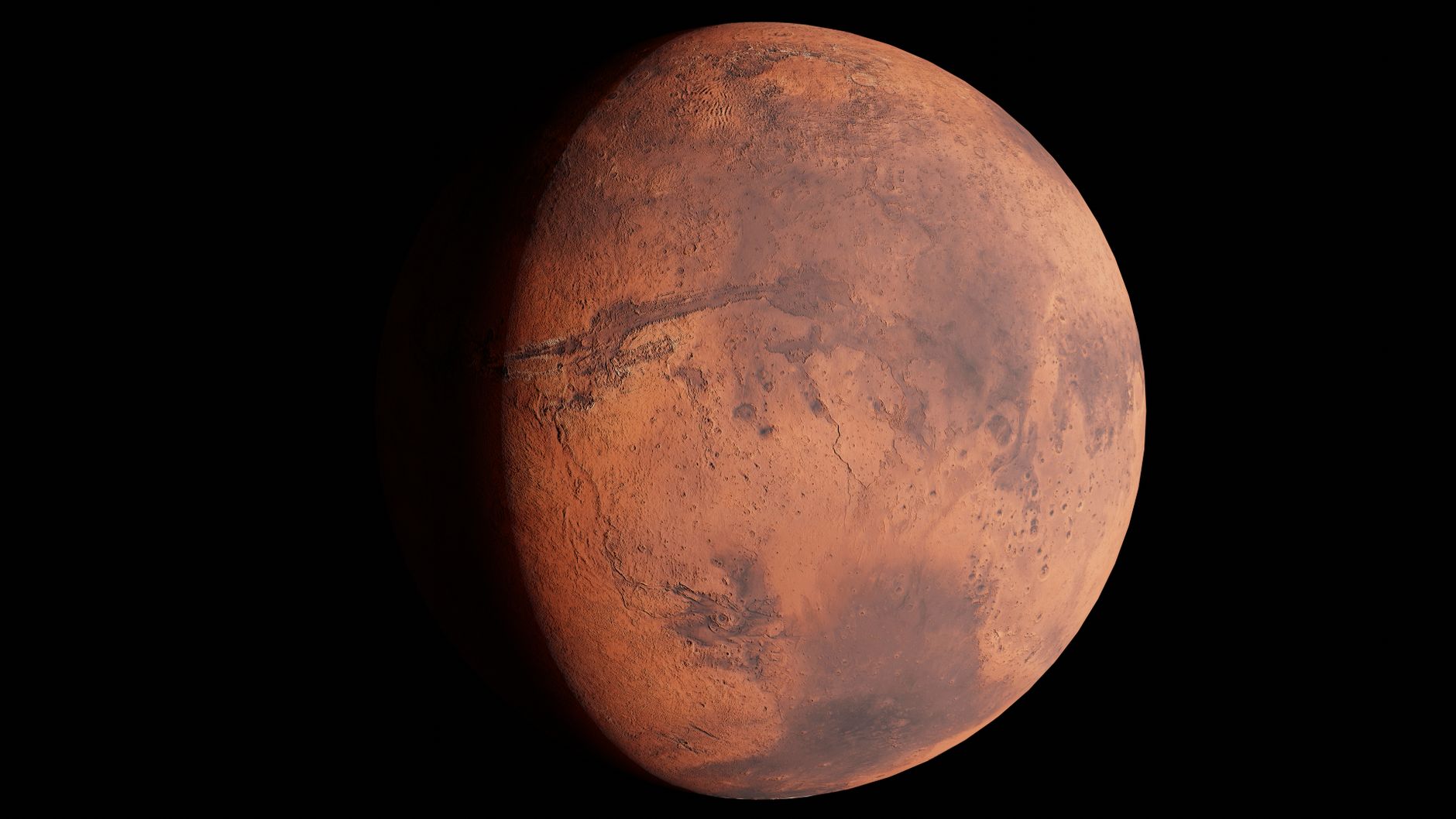
The sounds of Jupiter have captivated scientists and space enthusiasts alike. Recent studies reveal eerie audio phenomena that provide insight into the gas giant’s atmosphere.
Understanding Jupiter’s Atmosphere
The atmosphere of Jupiter is a complex and dynamic environment that has fascinated scientists for decades. This gas giant, known for its striking bands of clouds and powerful storms, also produces a range of intriguing sounds, often referred to as the sounds of Jupiter. These sounds are not audible in the traditional sense, but are instead electromagnetic waves converted into audio frequencies.
Jupiter’s atmosphere is primarily composed of hydrogen and helium, with trace amounts of other gases including methane, water vapor, and ammonia. The planet’s strong magnetic field interacts with charged particles, creating electromagnetic emissions. These emissions are captured by spacecraft like the Juno probe, which has been studying Jupiter’s atmosphere and its unique properties since its arrival in 2016.
Among the most notable phenomena is the Great Red Spot, a colossal storm that has been raging for centuries. The interactions between the storm and the surrounding atmosphere produce distinctive sounds, adding to the eerie auditory landscape of the planet. Scientists continue to analyze these sounds to better understand the atmospheric dynamics of Jupiter and the processes that govern its weather patterns.
The Science Behind Planetary Sounds
The exploration of the sounds of Jupiter has unveiled a remarkable aspect of planetary science. These sounds, primarily generated by the interactions of charged particles in Jupiter’s magnetosphere, provide insight into the planet’s complex atmosphere and magnetic field. Scientists utilize specialized instruments on spacecraft, such as the Juno mission, to capture and analyze these acoustic phenomena.
One of the key findings is that the sounds are not traditional audio waves but rather electromagnetic waves converted into sound waves. These signals are indicative of various processes occurring within Jupiter, including:
- Magnetospheric dynamics – The interaction between solar winds and the planet’s magnetic field.
- Atmospheric disturbances – Storms and weather patterns that affect the sound waves.
- Radio emissions – Generated by energetic particles in the magnetosphere.
Researchers believe that studying these sounds could lead to a deeper understanding of not just Jupiter but also the magnetospheres of other gas giants in our solar system. The eerie nature of these sounds adds an element of mystery, inviting both scientists and enthusiasts to listen closely.
Comparing Sounds of Jupiter and Saturn
The exploration of the sounds of Jupiter offers intriguing comparisons with the auditory phenomena detected on Saturn. Both gas giants exhibit unique soundscapes, shaped by their distinct atmospheric compositions and magnetic fields.
Saturn’s sounds are characterized by a series of rhythmic pulses and whistling tones, primarily generated by the planet’s rings and its interaction with solar winds. These sounds often resemble a cosmic symphony, where the vibrations create an otherworldly auditory experience.
In contrast, the sounds of Jupiter are marked by their deep, resonant frequencies. These sounds arise from the planet’s intense magnetosphere, where charged particles interact with the atmosphere. The result is a complex tapestry of low-frequency waves that can be described as a haunting melody echoing through space.
While both planets produce captivating sounds, the differences highlight the unique environmental factors at play. The comparison not only enhances our understanding of planetary atmospheres but also deepens our appreciation for the mysteries of the solar system. As researchers continue to analyze these phenomena, the sounds of Jupiter and Saturn reveal secrets that have long eluded scientists.
Eerie Audio from Uranus Explained
The recent exploration of the sounds of Jupiter has captivated scientists and enthusiasts alike, but it is the eerie audio from Uranus that has raised eyebrows in the scientific community. Unlike its gas giant counterparts, Uranus produces a unique range of sounds due to its distinct atmospheric composition and magnetic field.
Researchers have recorded a series of low-frequency waves that resonate through the planet’s icy atmosphere. These sounds are primarily generated by the interactions between the planet’s magnetic field and charged particles from the solar wind. The result is a haunting symphony that provides insight into the planet’s hidden dynamics.
Some of the key features of Uranus’s sounds include:
- Low-frequency whistling: These tones can be reminiscent of wind chimes, creating an ethereal quality.
- Periodic bursts: Sudden spikes in audio that suggest turbulent weather patterns.
- Resonant hums: Deep, vibrating noises that echo the planet’s unique magnetic environment.
As scientists continue to analyze these eerie sounds, they offer a glimpse into the mysteries of Uranus, complementing our understanding of the broader planetary soundscape that includes the sounds of Jupiter.
Impact of Planetary Sounds on Research
The exploration of the sounds of Jupiter has significantly advanced our understanding of the planet’s atmospheric dynamics and magnetosphere. These eerie audio recordings, captured by the Juno spacecraft, provide insights into the interactions between Jupiter’s intense magnetic field and its atmosphere.
Researchers analyze these sounds to uncover essential data, revealing patterns that correlate with various atmospheric phenomena. For instance, the fluctuations in the frequencies can indicate changes in wind speed or temperature variations within the planet’s thick clouds. This information is vital for constructing more accurate models of Jupiter’s weather systems.
Furthermore, the audio data aids in comparative studies with other gas giants, enhancing our knowledge of planetary formation and evolution. By understanding how the sounds differ across planets such as Saturn and Uranus, scientists can draw conclusions about the underlying physical processes occurring in these distant worlds.
In summary, the impact of planetary sounds on research extends beyond mere curiosity; it serves as a powerful tool for scientists to decode the mysteries of our solar system, shedding light on the complex behaviors of these giant planets.
By Jurassic Blueberries via Openverse