federal income tax brackets are set to change in 2027, as announced by the IRS. This shift will have significant implications for taxpayers across the country.
Overview of New Tax Brackets
The IRS has announced significant changes to the federal income tax brackets set to take effect in 2027. These adjustments aim to reflect inflation and ensure that taxpayers are not unduly burdened by rising costs. Here are some key points regarding the new federal income tax brackets:
- Increased thresholds: Many brackets will see an increase in income thresholds, allowing more taxpayers to retain a larger portion of their earnings.
- Adjusted rates: The tax rates themselves may also see modifications, impacting overall tax liabilities.
- Standard deduction changes: The standard deduction is expected to rise, providing additional tax relief for individuals and families.
These changes may lead to a more equitable tax system, benefiting various income levels across the board.
Impact on Taxpayers
The recent announcement by the IRS regarding the federal income tax brackets for 2027 has significant implications for taxpayers. These changes are designed to reflect inflation and adjust the tax burden on various income levels. As a result, many individuals and families may experience shifts in how much they owe in taxes.
Taxpayers should be aware of the following key impacts:
- Higher Income Thresholds: The new brackets will raise the income thresholds, potentially lowering tax rates for many.
- Increased Standard Deductions: Standard deductions are expected to increase, providing relief for low to middle-income earners.
- Long-term Planning: Understanding these changes will be crucial for effective tax planning and financial strategies moving forward.
Overall, these adjustments aim to create a more equitable tax system while addressing the financial realities faced by taxpayers.
How to Prepare for Changes
As taxpayers brace for the upcoming changes in federal income tax brackets in 2027, it is crucial to start preparing now. Understanding how these new brackets will affect your overall tax liability can help you make informed financial decisions.
Here are some steps to consider:
- Review your current tax situation: Analyze your income sources and deductions to anticipate how the new brackets may impact you.
- Adjust your withholding: Consider updating your W-4 to reflect any potential changes in your tax liability.
- Consult a tax professional: Engaging with a tax advisor can provide personalized strategies to optimize your tax position ahead of the changes.
By taking proactive steps, you can navigate the adjustments in federal income tax brackets with greater confidence.
Historical Context of Tax Brackets
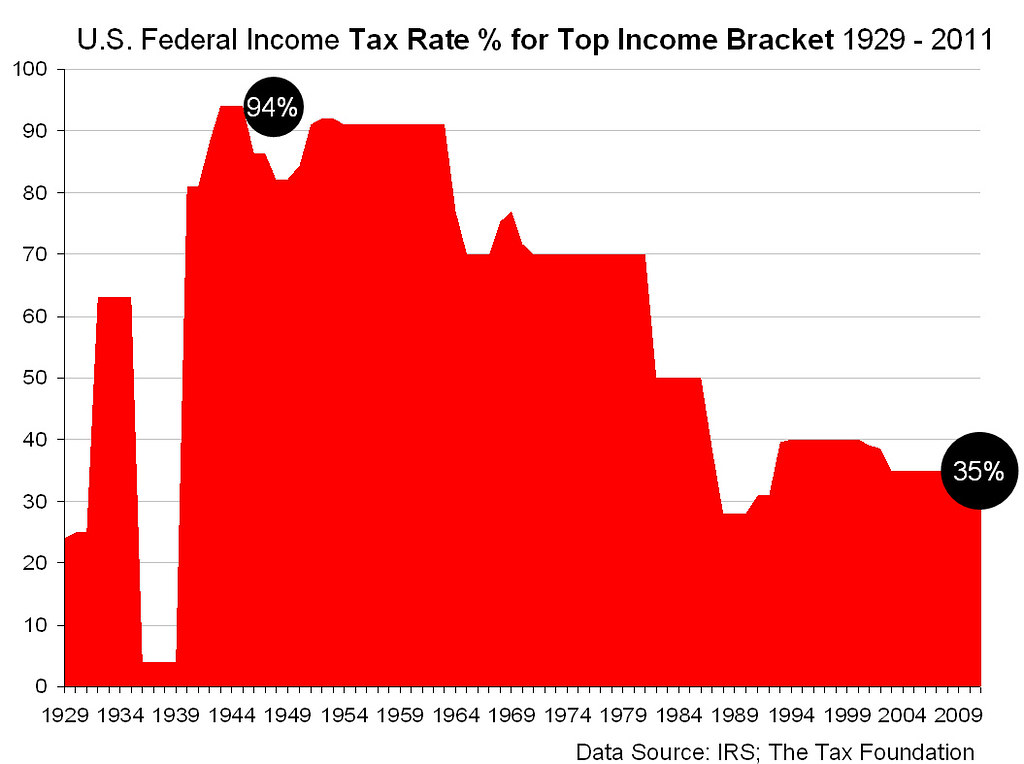
The federal income tax brackets have undergone significant changes over the years, reflecting shifts in economic conditions and policy decisions. Historically, tax brackets were designed to ensure that individuals contribute a fair share based on their income levels.
In the early 20th century, the income tax system was relatively simple, with fewer brackets and lower rates. As the economy grew and government expenditures increased, tax brackets expanded to accommodate a wider range of income levels.
By the late 20th century, the federal income tax brackets became more progressive, aimed at reducing inequality. Notably, the Tax Reform Act of 1986 streamlined the system, reducing the number of tax brackets while adjusting rates.
As we approach 2027, the latest adjustments reflect ongoing economic challenges and the need for revenue, continuing the evolution of federal income tax brackets.
Key Dates for 2027 Tax Filing
The IRS has announced significant updates regarding federal income tax brackets for the 2027 tax filing season. Taxpayers should be aware of several key dates that will impact their filing process:
- January 1, 2027: The new tax brackets take effect, which may alter how income is taxed.
- April 15, 2028: The deadline for filing 2027 federal income tax returns, ensuring compliance with the new brackets.
- October 15, 2028: Extended deadline for those who file for an extension.
It is crucial for taxpayers to stay informed about these dates, as they will directly affect financial planning and compliance with the updated federal income tax brackets. Being proactive can help avoid last-minute issues when the filing period arrives.
Frequently Asked Questions
As taxpayers look ahead to the upcoming changes in federal income tax brackets for 2027, many may have questions regarding these adjustments. Here are some frequently asked questions:
- What are the new federal income tax brackets for 2027? The IRS has announced updated brackets aimed at reflecting inflation and adjusting tax rates accordingly.
- How will these changes affect my tax liability? Depending on your income level, some taxpayers may see a reduction in their tax burden, while others could experience an increase.
- When will the new brackets take effect? The new federal income tax brackets will come into effect for the 2027 tax year, impacting filings due in 2028.
- Can I adjust my withholding now? It’s advisable to consult a tax professional to determine if adjustments are necessary before the changes take effect.
Expert Opinions on Tax Changes
Experts are weighing in on the implications of the upcoming federal income tax brackets set to take effect in 2027. Dr. Emily Thompson, a tax policy analyst, emphasizes that these changes will significantly impact middle-income earners. “As the brackets shift, many taxpayers may find themselves in a different tax category, which could alter their overall financial planning,” she stated.
Similarly, Mark Johnson, a certified public accountant, suggests that individuals should reassess their withholding strategies. “Understanding the new federal income tax brackets is crucial for effective budgeting and tax planning,” he noted.
Overall, professionals advise taxpayers to remain vigilant and informed as these adjustments approach, ensuring they are well-prepared to navigate the complexities of their financial obligations in 2027.
Conclusion and Next Steps
In conclusion, the upcoming changes to the federal income tax brackets in 2027 will significantly impact taxpayers across various income levels. It is essential for individuals and families to stay informed about these adjustments and understand how they may affect their financial planning.
As tax season approaches, taxpayers should consider the following next steps:
- Review your current tax situation: Assess how the new brackets may change your tax liability.
- Consult a tax professional: Get expert advice tailored to your circumstances.
- Stay updated: Monitor any additional IRS announcements related to the federal income tax brackets.
- Plan ahead: Adjust your withholding or estimated tax payments if necessary.
By taking proactive measures, taxpayers can navigate the changes effectively and optimize their financial outcomes in 2027.
By Cory M. Grenier via Openverse
Sources
You might also like
Progressive Christianity: A Proven Shift in US Elections · Best camera system: Is Motorola Signature 27 Proven to Excel? · Amit Shah Rahul Gandhi Debate: A Smart Challenge Unfolds