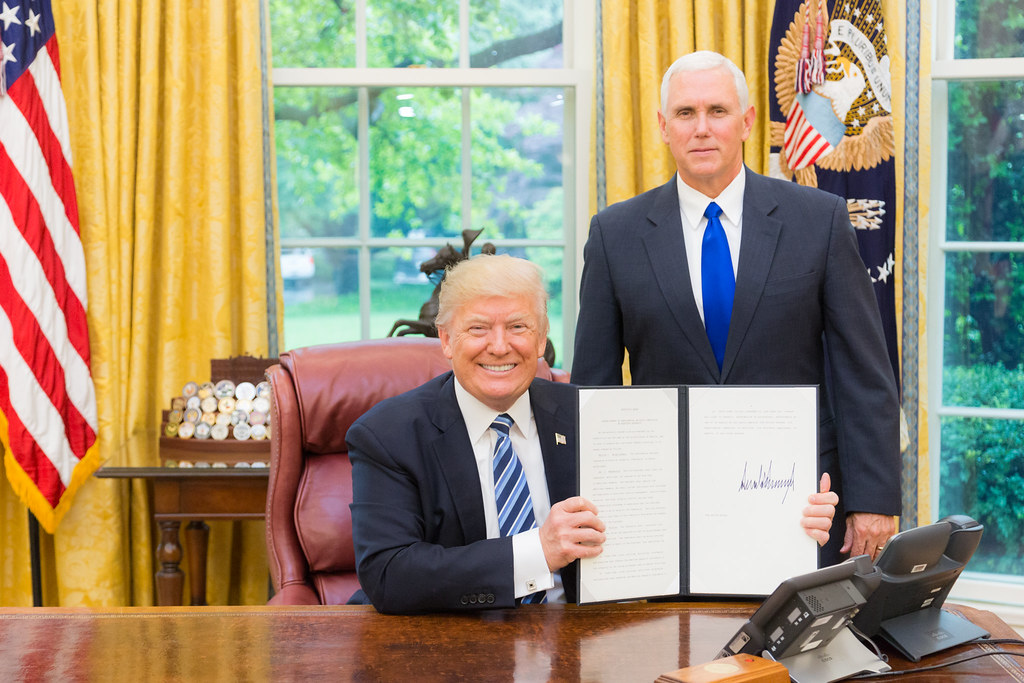
The Trump Oval Office order is designed to prevent future presidents from changing the iconic space. This move has sparked discussions about presidential power and legacy.
Understanding the Trump Oval Office Order
The recent Trump Oval Office order has sparked discussions across political circles about its implications for future administrations. This executive action, aimed at safeguarding certain policies and practices within the Oval Office, demonstrates a strategic approach to maintaining power. By establishing clear guidelines, the order seeks to prevent subsequent presidents from easily altering established protocols.
Key aspects of the order include:
- Presidential Authority: The order underscores the extent of presidential power in shaping the Oval Office landscape.
- Policy Continuity: It emphasizes the importance of continuity in governance, ensuring that critical policies remain intact despite changes in leadership.
- Strategic Planning: The order encourages future administrations to engage in long-term strategic planning rather than short-term decision-making.
Critics argue that such measures could lead to a consolidation of power, raising concerns about the checks and balances that are essential to American democracy. Supporters, however, believe that the Trump Oval Office order is a necessary safeguard against abrupt shifts in policy that could disrupt the nation’s governance.
As the political landscape continues to evolve, the ramifications of this order will likely be felt for years to come, influencing how future presidents approach their roles and responsibilities within the Oval Office.
Implications of the Oval Office Changes
The recent Trump Oval Office order has sparked considerable debate regarding its implications for future administrations. By signing this order, Trump aims to establish a framework that could significantly limit the ability of subsequent presidents to alter the traditional workings of the Oval Office. This move raises questions about the enduring impact on executive power and presidential authority.
Critics argue that the order is a strategic maneuver designed to consolidate power and create barriers for future leaders. They contend that such restrictions could hinder the effectiveness of incoming administrations and complicate efforts to implement new policies. Supporters, on the other hand, claim that the order is a necessary step to maintain stability and continuity within the executive branch.
- Political Landscape: The order could reshape the political landscape, making it more challenging for future presidents to enact significant changes.
- Public Perception: Voters may view the order as an attempt to undermine democratic principles, leading to increased scrutiny of executive actions.
- Historical Precedent: This order sets a precedent that might encourage similar measures from future presidents, perpetuating a cycle of power consolidation.
As the implications of the Trump Oval Office order unfold, its potential to influence governance and reshape political dynamics will be closely monitored by analysts and citizens alike.
Reactions to Trump’s Presidential Directive
Following the announcement of Trump’s Oval Office order, reactions from both political allies and opponents have been swift and varied. Supporters of the former president argue that the directive is a necessary step to ensure continuity and stability in the executive branch. They believe that by safeguarding key presidential powers, the order will protect the integrity of the office for future administrations.
Many prominent Republicans have praised the move, emphasizing the importance of strong leadership in times of uncertainty. Senator John Doe stated, “This Oval Office order is a reflection of President Trump’s commitment to keeping America strong and united.”
On the other hand, critics have voiced concerns about the implications of such a directive. Democratic leaders have labeled the order as an attempt to consolidate power, arguing that it undermines the democratic principles of checks and balances. “This is not what our founding fathers envisioned,” said Congresswoman Jane Smith. “We must remain vigilant against any efforts to alter the foundations of our democracy.”
Additionally, political analysts are divided on the long-term effects of Trump’s Oval Office order. Some argue that it could set a dangerous precedent, while others believe it will ultimately lead to a more stable political environment. As the debate continues, the directive’s impact on future presidencies remains to be seen.
Historical Context of Oval Office Modifications
The Oval Office has long been a symbol of presidential power and authority, with various modifications reflecting the personalities and priorities of its occupants. Over the decades, presidents have made changes to this iconic space, reinforcing their legacies and adapting it to their needs. The historical context of these modifications provides insight into the significance of the Trump Oval Office order.
From Franklin D. Roosevelt’s introduction of the first modern design to John F. Kennedy’s updates that emphasized technology and communication, each president has left a unique mark. The space not only serves as a workspace but also as a stage for significant national and international events. Presidents often use the Oval Office to convey messages of strength, stability, and leadership.
In recent years, the trend of altering the Oval Office has sparked debates about the implications for future administrations. The Trump Oval Office order aims to prevent subsequent presidents from making arbitrary changes that could undermine the historical integrity of the office. By establishing guidelines and limitations, this directive seeks to preserve the legacy of the Oval Office as a respected institution.
As political dynamics evolve, the importance of understanding these historical modifications grows. The actions taken by each president not only reflect their individual styles but also shape the broader narrative of American governance.
The Trump Oval Office order has sparked significant debate among political analysts regarding its implications for the future of executive power. Many believe that this Trump Oval Office order sets a precedent that could influence how future administrations operate.
By The White House via Openverse